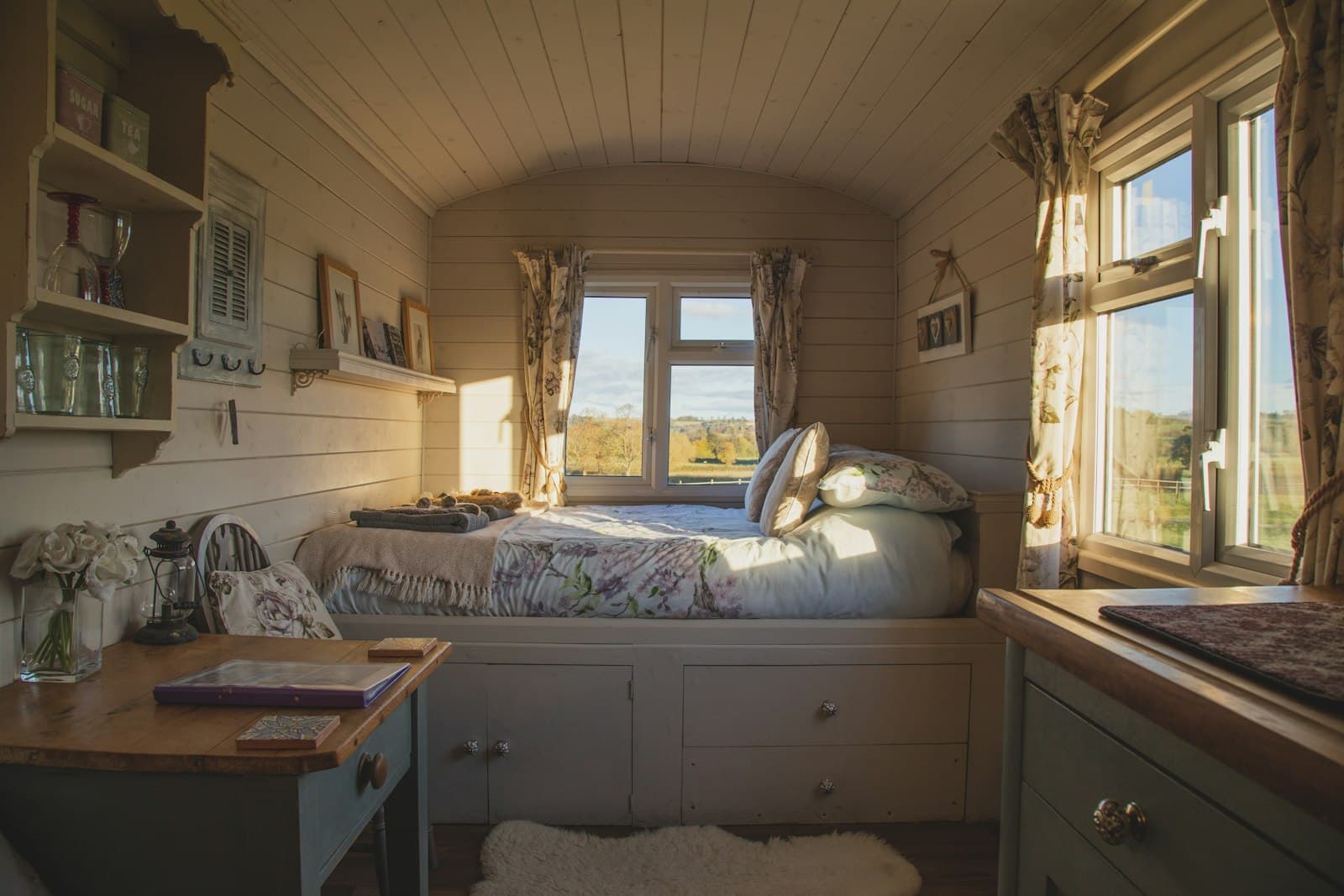
Social media for accommodations: the complete overview
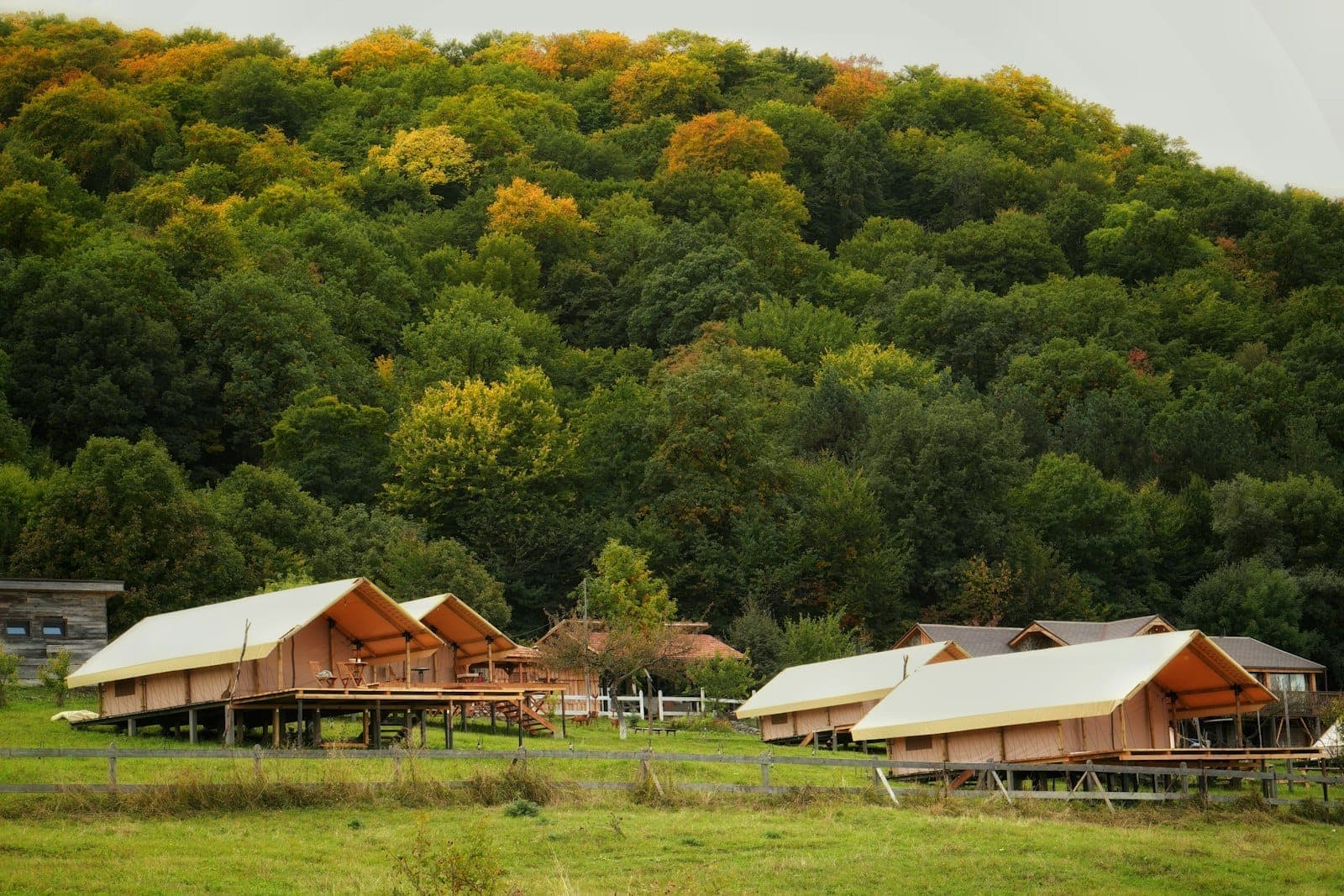
Social media brings a small accommodation bookings only if you first choose where you stand, what you tell and who you tell it to. Random photo posts cost time and give nothing back. This overview shows how the pieces fit together, with links to deep dives per topic.
What this is about
For most hotel owners social media is a source of guilt. You know it matters, you post a seasonal photo now and then, and then you hear nothing for weeks. That's not your fault. It's the approach.
Good social media for an accommodation is four things working together: a strategy that points you, the right channels for your audience, content people actually share or save, and a brand that's recognizable. On top of that partnerships expand your reach without advertising.
On this page you find per theme a short explanation and a link to the article that goes deep. Read this as a map. Click through to what matters most for your accommodation now.
One thing first: social media rarely sells directly. Someone almost never books right after one post. What it does do is build recognition and trust so a traveler thinking about your region knows your name and picks your room over an unknown option on Booking.com. It works strongest together with a good website and a working booking button. Expect a sales channel that turns revenue immediately, you'll be disappointed. See it as how people get to know you before they book.
Start with a strategy
Before you make even one post, decide three things: what goal you have (more direct bookings, more recognition, more reviews), who you want to reach, and how much time you realistically spend. Without those choices social becomes a bottomless pit where you throw time without knowing if it works.
A strategy doesn't need to be a thick document. It's a few agreements with yourself: this channel, this content type, this frequency, this goal. Everything else falls away. An example: say you have a B&B with 6 rooms, you want more direct bookings in low season, and you have half an hour per week. Then your strategy isn't "be everywhere active" but "every week one Instagram post showing autumn in your region, aimed at couples looking for a weekend." That's concrete enough to stick with. How you make those choices for a small accommodation, read in social media strategy for your accommodation.
The second part is sticking with it. Most accounts die not from bad content but because the owner runs out of ideas what to post after three weeks. That's the moment it stops: not intentionally, but because summer gets busy and posting is first to go. A content calendar fixes that. You plan a month ahead, gather imagery in batches on a quiet moment and only need to update for 30 minutes a week, even in July. In a content calendar you actually stick with there's a setup you refine in 30 minutes per week, even when you're slammed.
The channels
You don't have to be everywhere. Actually, that's one of the biggest mistakes. Five half channels cost more time and bring less than one you do well. Choose where your guests already are.
- Instagram is for most B&Bs and small hotels the logical first choice. Travelers there look for vibe, imagery and destinations. In Instagram strategy for small hotels you learn how to set it up without a photographer and without it eating your evenings.
- TikTok works well for a younger, budget-conscious audience, like hostels and glamping. It's about short video showing or telling something. Eight concrete video formats that work you find in TikTok for hostels: 8 formats.
- Facebook and Pinterest are often written off, but for a Dutch, slightly older audience Facebook still does a lot, and Pinterest is a search engine for travel inspiration. When they are and aren't worth the effort is in Facebook and Pinterest for hotels.
- LinkedIn isn't for guests, but for business bookings, local partners and press. As a hotel owner you build a network there that indirectly brings bookings. How to approach that is in LinkedIn as a hotel owner.
Start with one channel. Only pick up a second when the first runs without you having to think about it.
Content that works
The content that performs best you often don't make yourself. It comes from your guests. A photo of a couple on your terrace, a review with a story, a video of a cyclist at your breakfast: that's more credible than anything you post yourself, because it comes from a real guest.
That's called user-generated content (UGC, content your guests make). With permission you can share it on your own channels, and it costs you almost nothing. It works for two reasons: it's free imagery you don't have to make, and it's more credible than any ad. A future guest trusts a photo from someone like them more than your own marketing. How you collect it, ask permission and share it properly is in user-generated content for your hotel.
You can also actively encourage guests to share, but there are limits. Too much asking feels pushy, and a wrong hashtag sticker on the mirror works against you. The do's and don'ts are in activating guests on social: do's and don'ts.
Your brand and your story
Two accommodations with the same photos and same price are interchangeable for a traveler. A recognizable brand makes the difference. That's not about an expensive logo, but about consistency: same tone, same vibe, same feel on your site, your social and your emails.
How you build that for a small accommodation, without agency and without a 40-page brand book, read in a strong brand for your accommodation.
That includes the question why a guest picks you and not the B&B three villages over. That's your distinction, and it's almost never the price. In standing apart from the competition there's how you find and use that.
The third part is your story. People don't remember features, they remember stories. The farm you renovated, why you picked this spot, what makes a stay with you different. How you tell that without it getting cheesy is in storytelling for your hotel.
Working together for reach
You don't have to build your reach alone. Other players in your region have the same audience as you, and together you reach more than apart. Think local bike rental, restaurant, museum or hiking trail. A partnership can be as simple as tagging each other and referring.
The neat part is this costs no budget, just a conversation. You send cyclists to the rental, they put your flyer on the counter. You share each other's posts and reach each other's crowds. Which local partnerships really bring bookings and which just take time, read in local partnerships that bring bookings.
A step further are partnerships with bloggers and influencers, or an affiliate deal where a partner gets paid per booking they bring. Sounds big, but works on small scale too with a travel blogger from your own region. The considerations, pitfalls and honest costs are in affiliate, bloggers and influencers.
What you can do now
Social media isn't a task you do on the side. It's a chain: strategy, channel, content, brand, partnership. Skip any link and the rest is worth less.
Start small. Pick one channel, plan two weeks of content ahead and ask your next satisfied guest if you can share their photo. That's more than most accommodations in your region do.
Social media is one of six pillars of your hotel marketing. Want to see how this topic connects to your direct bookings, visibility, website, email and automation, check the complete hotel marketing overview for the big picture.
First want to know if that time pays off, calculate what you're currently paying in commission and what direct bookings bring in the savings calculator. And if you'd rather have someone handle social media and brand for your accommodation, see what we do at marketing for hotels.
Frequently asked questions
Which social media channel should I be on as a small accommodation?
How much time does social media take per week for an accommodation?
Does social media really work for direct bookings?
Do I have to pay for ads on social media?
What is user-generated content and why does it matter?
A concrete tip in your inbox each month
Practical marketing and automation tips for small-scale accommodations. No sales talk, unsubscribe anytime.
Your email address is only used for these emails and never shared. You can unsubscribe from any email. See the privacy policy.