Instagram strategy for small hotels and bed and breakfasts
3 posts per week, made with a phone, deliver more than a professional shoot you put off every quarter. That's the core of an Instagram approach that works for owners with a full plate and a limited budget.
Why Instagram for your accommodation
Instagram is not a luxury for big hotel chains. It's a search engine for people who know they want to go somewhere, but don't know where to sleep yet.
Someone planning a weekend in Zeeland types "#zeelandvakantie" or "#boutiquehotelzeeland" in the search bar. If you're visible there with an appealing image, the chance is real that they'll click on your profile. And if your bio has a direct booking link, the step to a booking is small.
The advantage over Booking.com: you don't pay commission on the booking that comes from it. No 15 to 22 percent gone, but the full booking value for you. How that translates you can read in the savings calculator.
The downside: you have to work on it yourself. But "working" here doesn't mean hours a day. It means a smart structure within which you spend 30 to 60 minutes per week. Instagram doesn't work best as a standalone channel: it works hardest as part of a broader social media strategy for your accommodation.
The problem with most hotel Instagrams
Many accommodations have an account they created in 2021, with 43 posts, the last one from February 2023. Or they post irregularly: three weeks nothing, then suddenly five photos in one day.
Instagram punishes interruptions. The algorithm gives reach to accounts that post consistently. An account that posts three times a week, even if those posts aren't perfect, has structurally more reach than an account with the occasional great post.
Consistency beats perfection. You don't need to be an influencer and you don't need every post to be a homerun. You just need to be there.
What you post: 5 content types that work
There are five types of content that consistently perform for small-scale accommodations. Mix them up and you'll never have an empty content calendar.
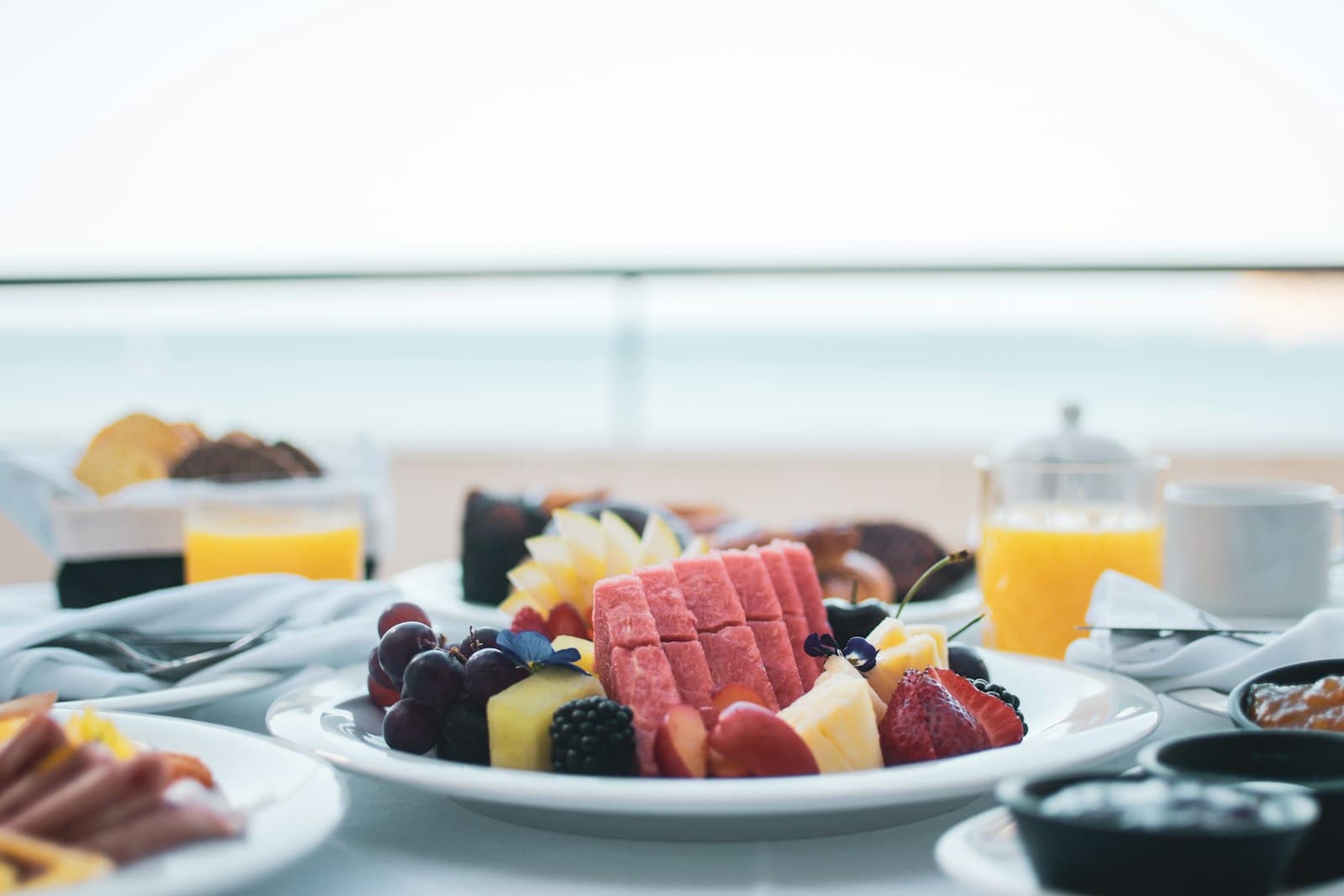
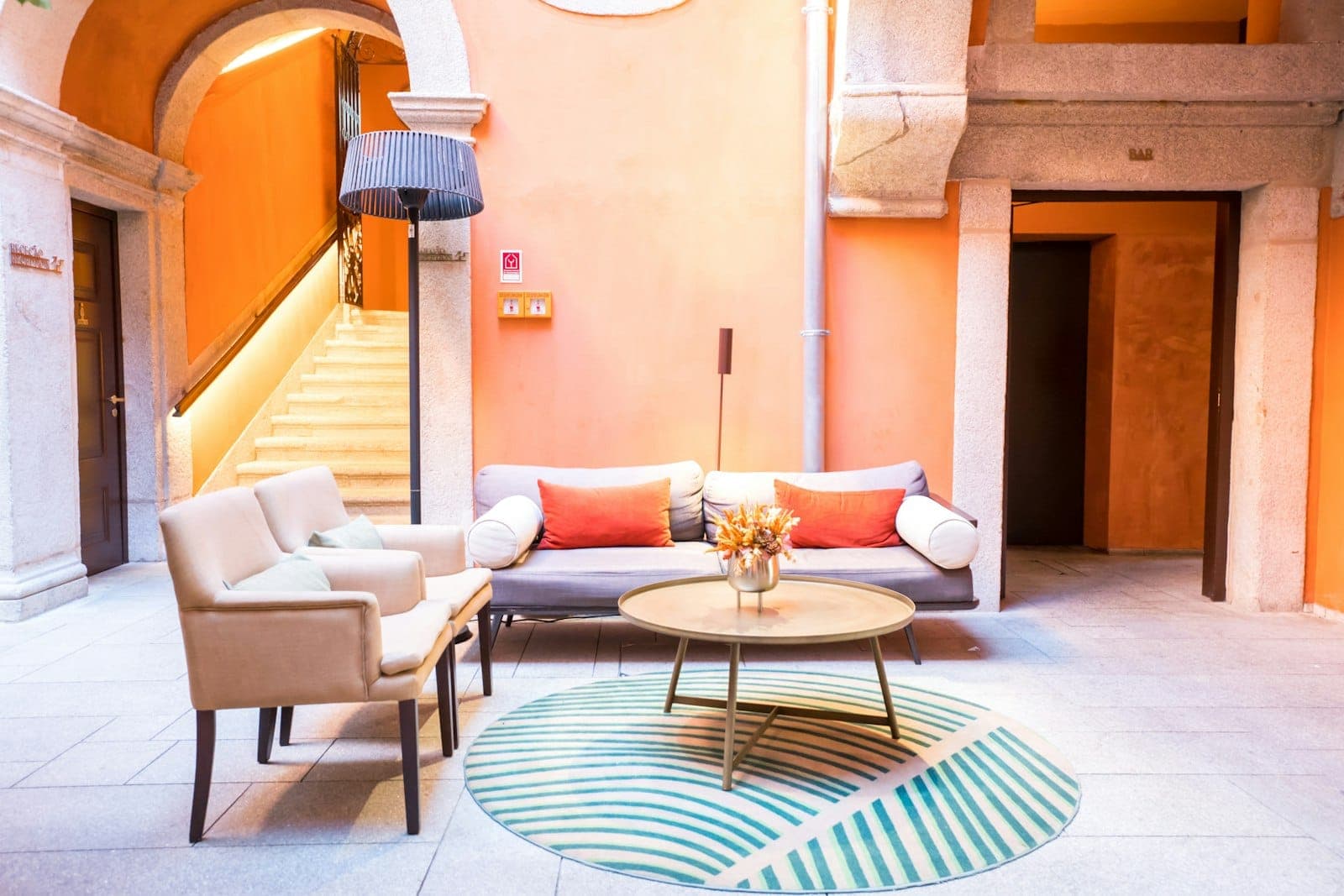
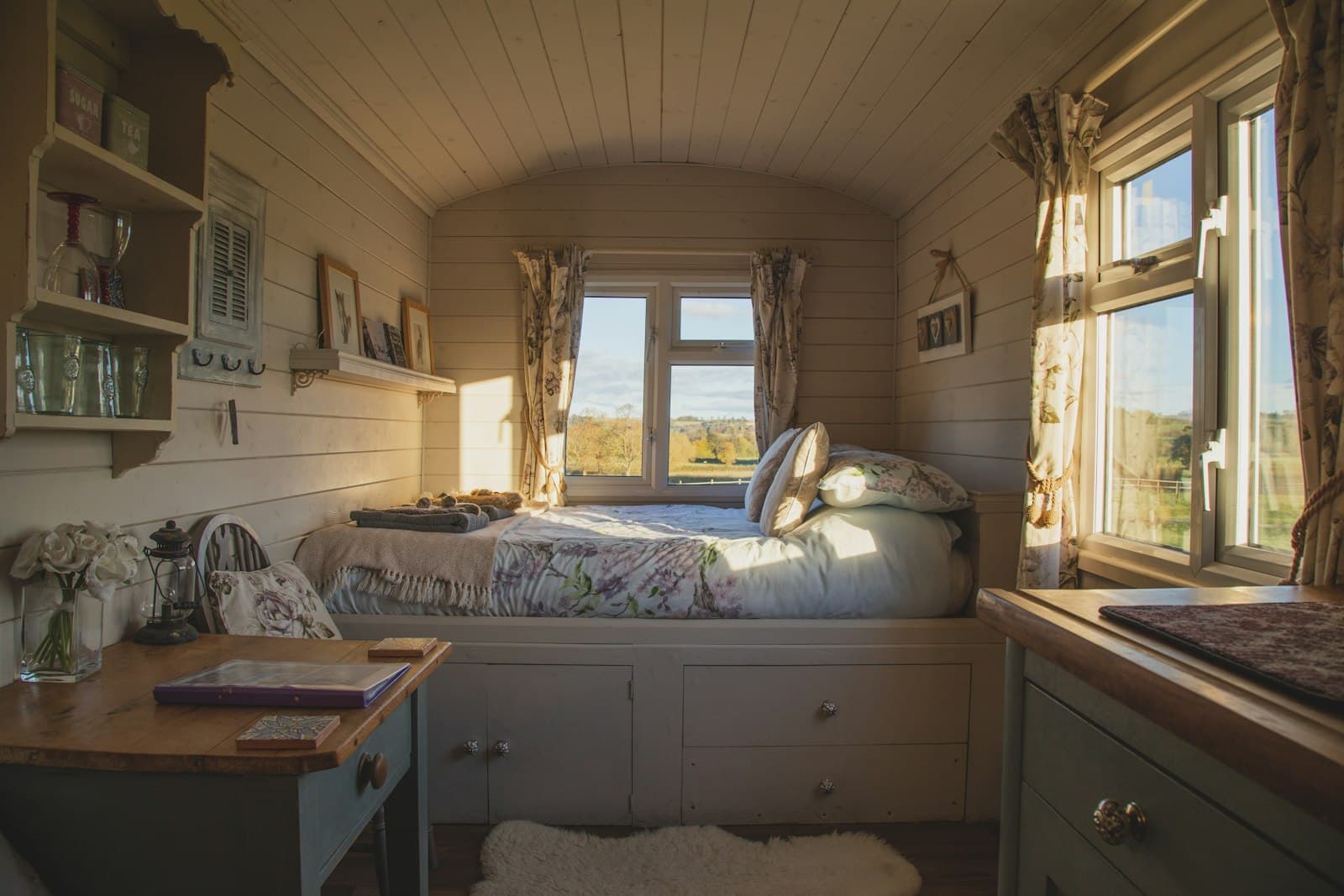
1. Rooms and details No boring architecture photos, but details that capture the feel. The coffee maker next to a window with a view. The stack of duvets on a wooden bed. The bathtub with candles. Details work better than overviews because they give feeling, not information.
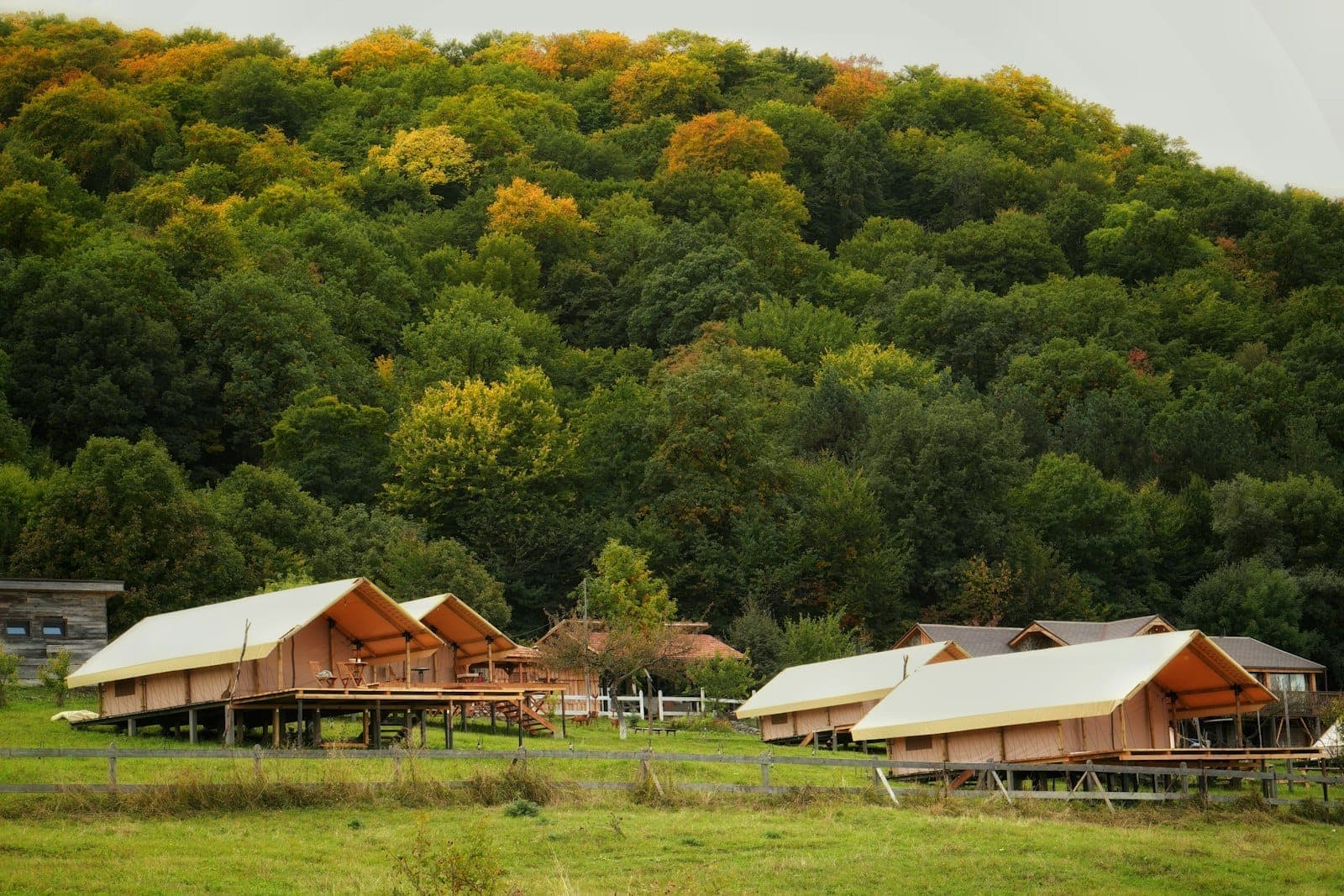
2. Surroundings and location Guests don't just book your B&B, they book your region. Show what there is to do: the nearest forest, the market, the restaurant around the corner. This attracts people who want your region, and you're their home base.
3. Behind the scenes Freshly baked bread for breakfast. You arranging flowers. A new pillow you just ordered. This kind of content builds trust. Guests choose a small-scale accommodation for the personality, not the procedure. Show that personality. This is also where you make a strong brand for your accommodation visible: the tone and details that make your place different from your neighbor.
4. Guest content and experiences Photos guests took themselves and shared with you, or that you reposted with permission. This is free content and it works well because it's social proof. A guest saying "it was wonderful here" convinces more than you saying that. How to work with this structurally is in user-generated content for hotels.
5. Local tips The best terrace in the area. The route most guests miss. The restaurant you yourself recommend. Here you position yourself as a local guide, and that gives your profile value that goes beyond "here are our rooms". People save this kind of post, and saving is a positive signal for the algorithm.
Which formats, and when
| Content type | Format | Goal | Frequency |
|---|---|---|---|
| Room and atmosphere photo | Photo or carousel | Trust and feel | 1x per week |
| Surroundings and local tips | Reels or carousel | Reach with new followers | 1x per week |
| Behind the scenes | Stories or Reels | Authenticity and closeness | 2 to 3x per week |
| Guest content | Photo or Stories | Social proof | When you have it |
| Season and offer | Carousel or Reels | Direct booking pressure | 1x per 2 weeks |
Reels get the most reach from people who don't follow you yet. They get pushed to the Explore page and to non-followers who view similar content. A 15 to 30 second Reel made with your phone is enough. Think of an atmosphere impression of your garden at sunset, or a quick room tour.
Carousels (multiple photos or slides in one post) get saved more than single photos. People save them for later, and that gives you extra reach. Use carousels for "5 reasons to visit [your region]" or "here's what breakfast looks like at our place".
Stories are fleeting but valuable for daily presence. They appear at the top of the app for people who already follow you. Use Stories for what's happening that day: a guest moment, a beautiful morning, an announcement.
Rhythm you can sustain
The only rhythm that works is the rhythm you still follow three months later. That's not 7 posts per week. That's probably 3 to 4.
Choose a fixed structure. For example:
- Monday: room or detail, static photo or carousel.
- Wednesday: surroundings or local tip, Reels or carousel.
- Friday: atmosphere or behind the scenes, Reels or Stories.
Make content in batches. One morning get your phone ready, take 10 to 15 photos or short clips, and you have enough for three weeks. That way you don't have to figure out what to post every day.
Plan posts in advance via Meta Business Suite (free) or Later. That takes the pressure off the moment and makes sure you stay visible even on busy weeks.
How you build this into a broader content approach is in a content calendar you can sustain.
Hashtags and location tags: don't skip them
Hashtags are not an extra. They determine who finds you.
Use three layers per post:
- Big (500,000 plus posts): #boutiquehotel, #bedandbreakfast, #hotelnederland. Lots of competition, but also lots of searchers.
- Medium (10,000 to 500,000): #bedandbreakfastnederland, #kleinschaliglogeren, #glamping. Better ratio of visibility and competition.
- Hyperlocal (your region or village): #zeeland, #veluwe, #groningen, the name of your village or neighborhood. Competition is low and intent is high here.
5 to 10 targeted hashtags work better than 30 generic ones. Choose them deliberately and vary per post.
Location tags are at least as important. Always tag your exact location, and sometimes also the nearest city or attraction. Someone who searches "#Amersfoort" on Instagram or checks what's nearby the Hoge Veluwe can find your profile that way.
From followers to direct bookings
Reach without conversion is advertising nobody paid for. You want a guest who finds your profile beautiful to actually book with you, preferably directly.
Link in bio. This is your most important conversion point. Use a direct booking link here or a simple page with two buttons: "Check availability" and "Contact". Actively point to that link in your captions: "Want to know more or book directly, link in bio."
Stories with book link. Accounts with more than 10,000 followers can post a direct link in Stories. Haven't reached that threshold yet, use the "Link" sticker in Stories. You can attach a direct booking link to it. Use this for seasonal offers, last-minute availability or special packages.
Direct messages. Respond quickly to DMs. Many guests orient themselves via Instagram and ask a question before they book. A quick, friendly response converts. That's an advantage a big hotel doesn't have.
Make direct booking more attractive. If you have a special offer that only applies via your own site, mention that explicitly in your post. "Book direct and get a free bottle of wine upon arrival" is a concrete reason not to go through a platform. The commission you save covers that quickly. How big that advantage is, you can work through at marketing for hotels.
Instagram alongside your other channels
Instagram works best when it doesn't stand alone. The content you make for the feed you use again: edit a Reel to a TikTok, reuse a carousel in a newsletter, and put a strong guest photo on your own site. That way you get three or four channels from 30 minutes of photography instead of one.
Work it out. Say you create 12 images in one morning. From that 3 become Instagram posts, 2 become TikToks and 1 becomes a website block. That's 6 pieces of content from one session, instead of 6 separate moments. The difference between sustaining and giving up often sits exactly there.
Decide which channels fit your guests before you start being everywhere at once. A B&B with older guests gets more from Facebook and email than TikTok. A hostel with backpackers is the opposite. Which channels work for which accommodation type and how you let them work together you can read in the social media overview for accommodations. Choose two channels you actually sustain above five you'll neglect.
Common mistakes
Chasing too much perfection. The post you don't post because the lighting wasn't ideal delivers nothing. A slightly less perfect post that is actually posted delivers reach.
Never responding to comments. Instagram sees interaction as a positive signal. If you never respond to comments, you stop the conversation. Responding briefly costs 2 minutes and works in your favor.
Bio without booking link. We see this in half of the hotel accounts we look at. Your bio is your only clickable spot in the feed. Don't leave it empty or direct it to your homepage, but straight to your booking page.
Only posting beautiful rooms. Accounts that only post distant product photos have little engagement. People follow people, not rooms. A photo of you making breakfast consistently does better than the millionth bed photo.
Starting too late. Instagram accounts build slowly. An account that starts now and posts consistently for 6 months will be in good shape by May of next year. Waiting costs you those 6 months.
Start small, start now
Pick a fixed day each week where you plan 20 minutes for Instagram. Take 5 photos, write 2 captions and schedule them. That's all you need to do in the first month. Consistency is the only metric that counts.
What you can do now
A realistic Instagram approach for a small accommodation consists of four things: knowing what you post, a rhythm you can sustain, hashtags and location tags that make you findable, and a direct path from your profile to a booking.
You don't need to start with a perfect account. Start with a complete bio with a booking link, and plan three posts for the coming week. That's enough to get going.
Want to look beyond Instagram: 8 TikTok formats for hostels and B&Bs shows how you apply the same short-video principle to a younger target audience. And if you want someone to systematically handle your social media, check out marketing for hotels.
Instagram leads guests to you, not to bookings
Reach is a starting point, not an endpoint. Make sure your website and booking system are in order before you invest heavily in social media. A guest who finds your Instagram beautiful and lands on an unclear site will book via Booking.com anyway. Read up on the 5 mistakes on 80 percent of Dutch hotel sites for that.
Frequently asked questions
How many posts per week do I need on Instagram?
Do I need to have professional photos taken for Instagram?
Which hashtags should I use?
How do I direct Instagram followers to my booking page?
Does Instagram work for a B&B in a small town?
What's the difference between Reels and carousels?
Should I be active on other channels besides Instagram?
A concrete tip in your inbox each month
Practical marketing and automation tips for small-scale accommodations. No sales talk, unsubscribe anytime.
Your email address is only used for these emails and never shared. You can unsubscribe from any email. See the privacy policy.