Direct bookings for small accommodations: the complete guide
Every direct booking saves you 15 to 25 percent commission you'd otherwise pay to Booking.com. For a small accommodation, that quickly adds up to thousands of euros per year that now goes to a platform instead of staying with you.
What this is about
Direct bookings are the heart of a healthy small accommodation. Not because you need to quit Booking.com, but because every booking that comes straight to you costs zero commission. That money stays in your pocket, and you own the guest relationship. That relationship is worth more than it seems: a guest who knows your email and name is more likely to book directly next time and will refer friends.
Say you have 6 rooms and currently 72 percent of your bookings come through Booking. Then you're paying 15 percent or more commission on a big chunk of your revenue. A simple calculation shows the impact:
| Item | Value |
|---|---|
| Bookings per month via Booking | 60 |
| Average booking value | 120 euros |
| Booking commission | 15% |
| Commission per month | 1,080 euros |
| Commission per year | 12,960 euros |
Nearly 13,000 euros per year. And that's at 15 percent. Many accommodations are at 17 or 18 percent due to the Preferred program or higher visibility. Yet you know this: without Booking, you'd never have reached some of those guests. The platform brings people you'd never find through Google or word of mouth.
The trick isn't "leave Booking" but rather shift the balance. If you lower your Booking share from 72 to 50 percent and move those bookings to your own channel, you'll save more than 3,500 euros per year in this example. You do that with three things at once: use OTAs strategically, actively drive more direct, and set up your technology so a guest finds it just as easy to book with you as with a platform.
This page is your starting point. For each topic, the articles below will guide you step by step. Read them in the order that fits your situation, or jump straight to the topic you're wrestling with now.
Using Booking.com smartly
Booking.com and other platforms (OTAs, online travel agencies) aren't your enemy. They bring guests you'd never reach via Google or word of mouth. It's about using them intentionally and knowing exactly what they cost.
Start with the basics in Booking.com extranet explained. That's where you set your rates, availability, and policies, and that's exactly where many owners leave money on the table.
Just starting out or considering extra channels? Read signing up for Booking, Airbnb, and Expedia. That article explains which platforms make sense for different accommodation types.
Want to know exactly what you're paying? Booking.com costs broken down calculates the commission model with concrete amounts per night, including hidden costs like the Preferred program and payment processing. And you'll make the trade off between platform and your own site, with all the real pros and cons, in Booking versus your own website.
The goal of this section isn't to avoid Booking, but to use it intentionally. Then you know exactly what each platform booking costs you, and you can use that knowledge to set your direct rate sharper.
Becoming less dependent
Once you know what the OTAs are costing you, the next question becomes concrete: how do you shift some of those bookings to your own channel without losing visibility?
The big picture is in becoming less dependent on Booking.com. That article gives you the strategy and a realistic timeline, because this isn't a switch you flip in one week.
Ready to take action with practical tactics? More direct bookings: 12 tactics gives you concrete things you can do this week. Think a sharper direct rate, a returning guest discount, and strategically steering repeat guests your way.
And if you want to convince a guest to book with you instead of through a platform, why direct booking is cheaper gives you arguments you can use in your website copy and guest emails: a sharper price, free cancellation, or a perk at arrival.
One important note: becoming less dependent happens in stages, not all at once. If you pull back from Booking too fast, you'll lose visibility before your own channel is strong enough. The timeline in the main article accounts for that.
The technology: booking engine, PMS, channel manager
This is where many owners get stuck, even though it's simpler than it seems. Three systems, each with its own job. You won't need all three right away.
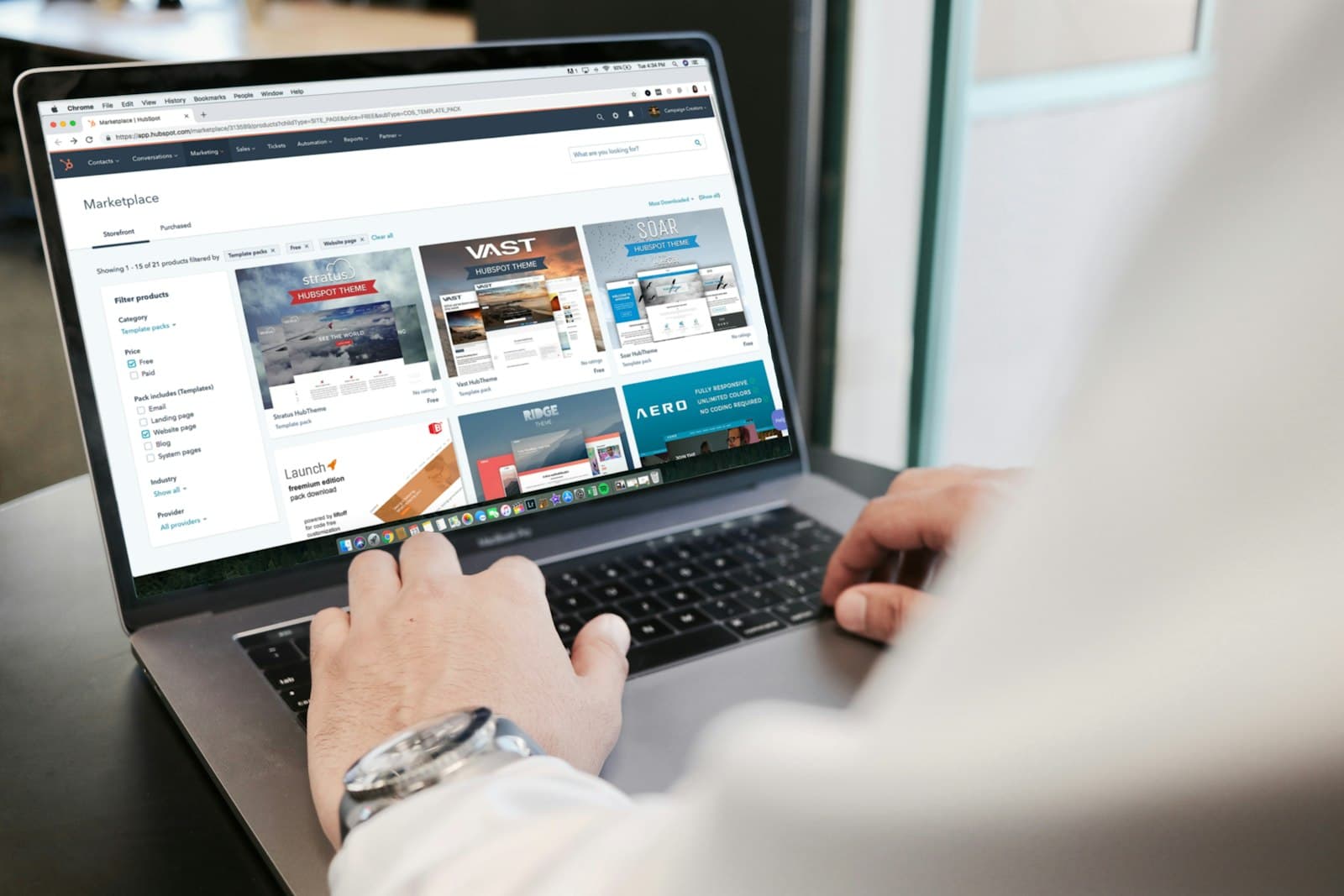
Start with the basics in what is a booking engine. A booking engine (the system that lets a guest choose, book, and pay for a room on your own site) is the requirement for every direct booking. Without it, you're sending people to a dead end.
Want to know which system fits you? Compare your options in choosing a booking module: the comparison. You'll find pricing, pros and cons per provider for small accommodations.
Running more rooms or working with seasonal staff? Check out a PMS for small accommodations. A PMS (property management system, the system that manages your reservations, guests, and schedules) removes the manual work from your admin.
And the question of whether you need your availability to sync automatically across all your channels is answered in channel manager: do you need it?. A channel manager (the system that updates your availability and prices across all channels at once) keeps you from double-selling a room on Booking and your own site. Not every accommodation needs one, and that article honestly says when you do and when you don't.
In practice, a small accommodation often starts with just a booking engine and a free link to Booking. PMS and channel manager only come into play once the number of rooms or channels makes manual work too much. So start smaller than you think you'll need.
Earning more per booking
Direct bookings aren't just about saving commission. They're also about getting more out of every guest you already have.
In revenue management for small accommodations you'll learn how to move your prices with demand and season, without expensive software. A higher rate in busy weeks often brings in more than an extra room in quiet weeks.
And with upsell software for your hotel or B&B you sell extras at booking: late checkout, in-room breakfast, bike rental. Small amounts that add up per guest, especially with direct bookings where you own the relationship. Ten euros extra per booking sounds small, but at 60 bookings per month that's 600 euros you'd otherwise leave on the table.
This section really pays off once your direct channel is live. Once you have a working booking engine, these are the ways to raise the value per guest without needing an extra room.
What you can do now
Order is more important than speed. Not everything at once, but the right first step.
- Calculate what Booking.com is currently costing you. Only once you see that number in black and white will you know what a shift to direct is really worth. Do that in the savings calculator.
- Make sure a guest can actually book directly with you. Start with what is a booking engine and choosing a booking module: the comparison.
- Only then start driving more direct, using the tactics from more direct bookings: 12 tactics.
Calculate first, choose technology second
Don't start by figuring out software. Start with the amount you're currently spending on commission. That number determines how much you can wisely invest in a booking system and how fast it pays for itself.
Direct bookings are one of six pillars of your hotel marketing. Want to see how this topic connects to your visibility, website, social media, email, and automation? Check out the complete hotel marketing overview for the big picture.
Rather not figure out which step is first for your accommodation? We'll look together at what brings the most return at marketing for hotels.
Frequently asked questions
What exactly are direct bookings?
Why are direct bookings cheaper than using Booking.com?
Do I need to quit Booking.com completely?
What technology do I need to accept direct bookings?
Where do I start as a small accommodation?
A concrete tip in your inbox each month
Practical marketing and automation tips for small-scale accommodations. No sales talk, unsubscribe anytime.
Your email address is only used for these emails and never shared. You can unsubscribe from any email. See the privacy policy.