What is a booking engine and do you need one?
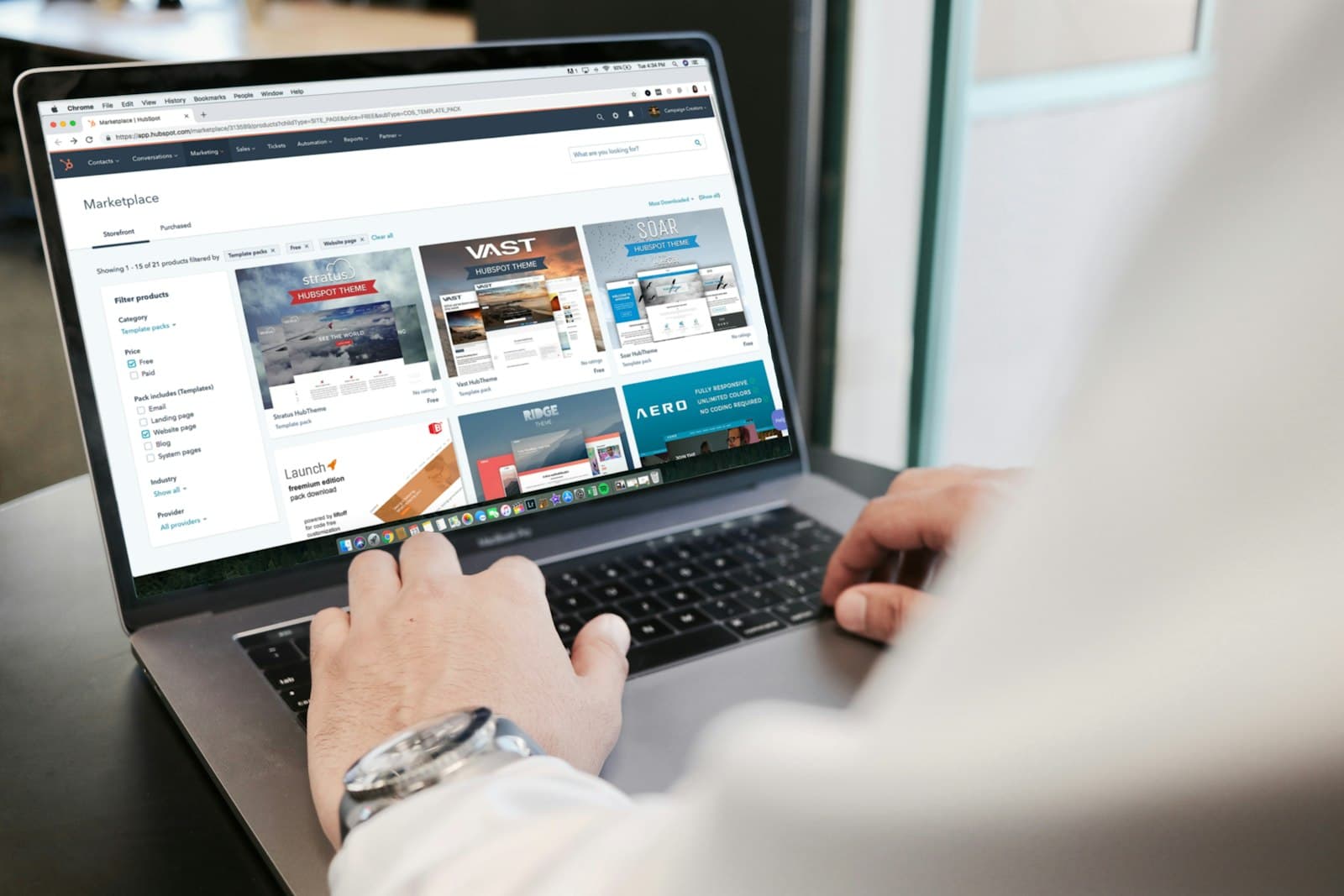
A booking engine is the button on your website where a guest reserves a room in a few steps and pays immediately, without a platform in between.
The problem
Many small accommodations have a website but no way to book directly there. The guest has to call, email, or go back to Booking. Each extra step costs you bookings, because the guest who wants to reserve now doesn't want to wait for an email back.
Without a booking engine you send guests you've already found for free back to the platform, where you pay commission again. That's wasteful because these guests could have booked directly with you.
How a booking engine works
A booking engine does four things:
- Shows availability. The guest picks dates and sees which rooms are free.
- Calculates the price. Including any surcharges, discounts, or packages.
- Processes payment. Via a payment provider, with iDEAL, credit card, or payment at arrival.
- Confirms automatically. The guest gets a confirmation; you get the booking on your calendar.
The difference from a platform is in the business model. A platform brings traffic and charges commission. A booking engine processes traffic you bring yourself, for a fixed amount.
| Booking.com | Your own booking engine | |
|---|---|---|
| Costs | 15 to 25% commission per booking | Fixed amount per month plus 1.5 to 3% payment costs |
| Brings traffic | Yes | No, you do that |
| Guest data | Limited | Completely yours |
| Your own terms | Partly | Completely |
Booking engine, PMS, or channel manager: what's what
These three often get mixed up, but each does something different. A booking engine is the booking button on your site: it takes the reservation and payment. A PMS (property management system) is your admin heart behind it: it tracks who comes when, handles invoices, and your daily overview. A channel manager is the traffic regulator keeping your availability in sync between your booking engine and platforms like Booking.
For 5 to 15 rooms you don't need everything at once. Many owners start with a booking engine and add a PMS once manual work gets too much. The difference between PMS and booking engine we explain separately, because it determines which you buy first. Want the bigger picture? The overview on direct bookings lines everything up. And to get traffic to your button, the tactics for more direct bookings help you start.
When do you need one
Short answer: as soon as you want to handle more than a few direct bookings per month. Do the math. Say a booking engine costs 25 euros per month, that's 300 euros per year. One direct booking of 120 euros where you would have paid 20 euros commission gets you most of that back within a few months.
What you can do today
Count how many people called or emailed this month for a reservation. Those are the bookings you handle manually now and that a booking engine would have processed automatically.
Common mistakes
- Taking a free module that still charges commission. Read the terms. Some free booking engines make money from a percentage per booking.
- Hiding the booking button. Put it prominently on your homepage and every room page, not tucked under a menu.
- Not setting advance payment while it fits. Advance payment lowers no-shows. Whether that fits for you depends on your guest type.
What you can do now
Know you want a booking engine? The next question is which one. Read choosing a booking module: the options compared and see if you need a channel manager. Want to see first what direct bookings bring you, calculate through with the savings calculator.
Frequently asked questions
What's the difference between a booking engine and Booking.com?
Does a booking engine charge commission?
Do I need technical knowledge to use a booking engine?
Does a booking engine work with my Booking.com calendar?
What's the difference between a booking engine and a PMS?
A concrete tip in your inbox each month
Practical marketing and automation tips for small-scale accommodations. No sales talk, unsubscribe anytime.
Your email address is only used for these emails and never shared. You can unsubscribe from any email. See the privacy policy.