What 10 conversations with B&B owners taught us
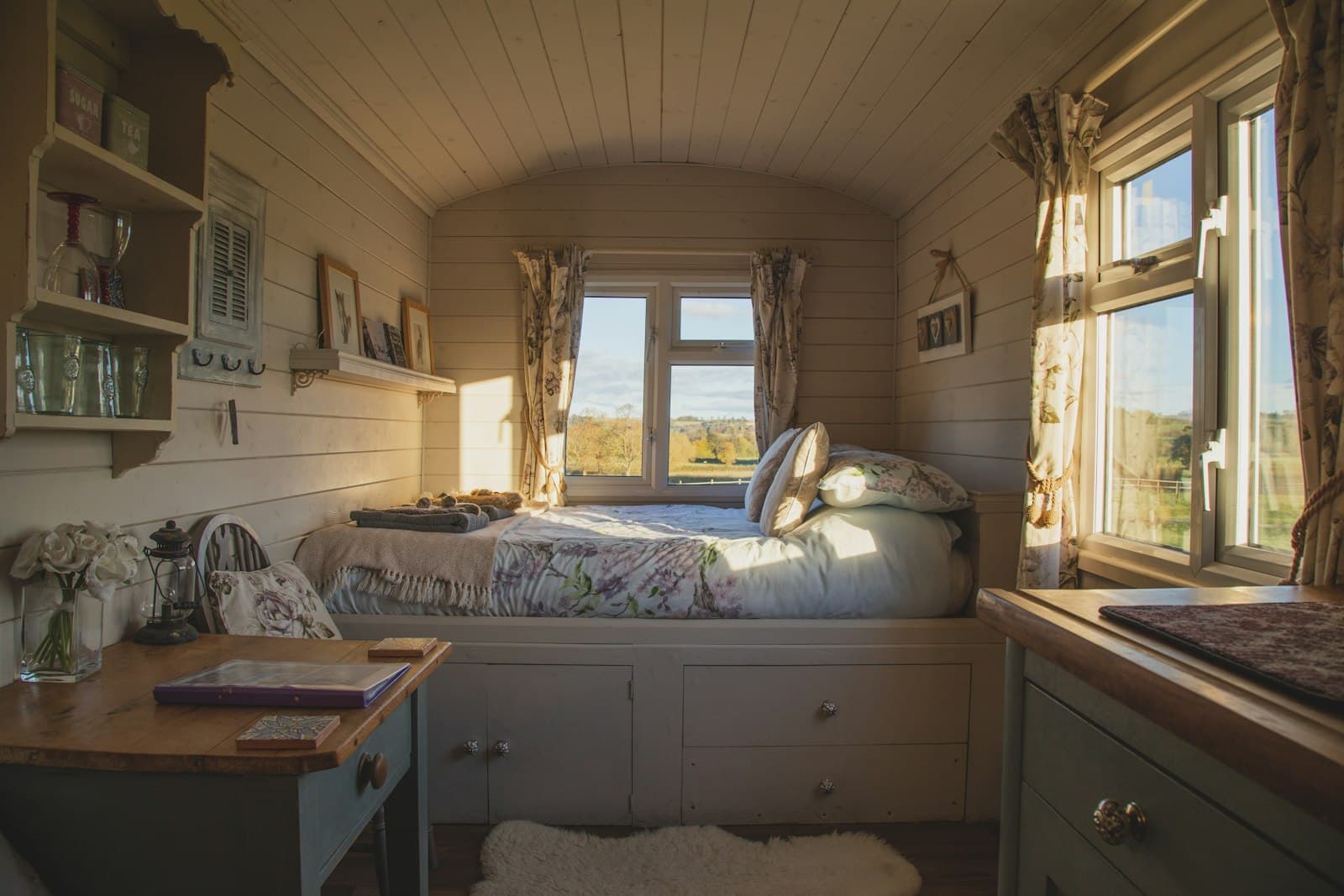
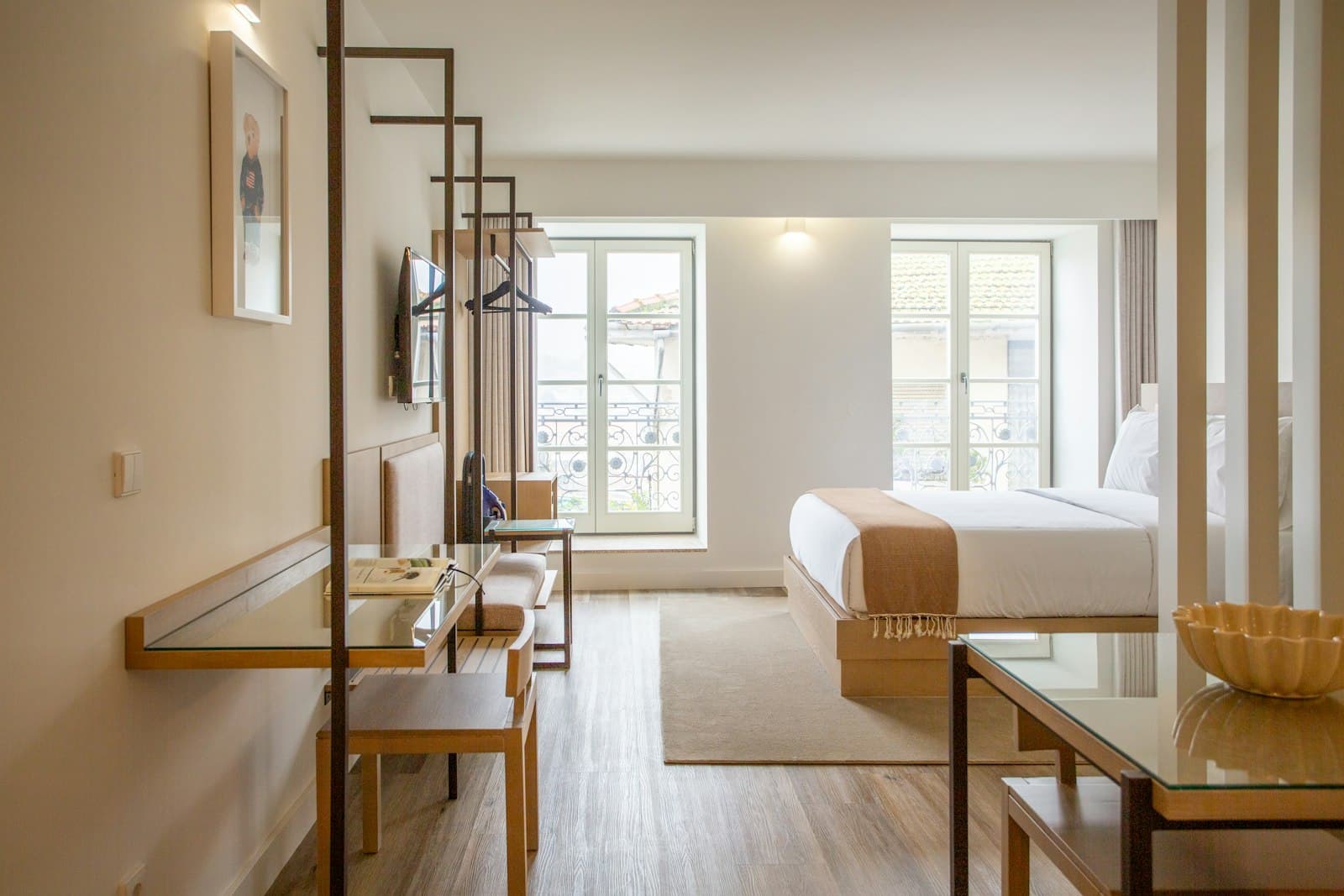
There is a pattern. Not in the accommodations themselves, which are all different: a renovated barn in Groningen, a tiny house in Zeeland, an apartment that operates as a B&B. But in what the owners say once you dig deeper, it sounds the same every time.
The conversations in this article are anonymized and illustrative, based on recurring patterns we know from the industry. No names, no exact figures, no company names. But the patterns, because those are recognizable enough.
What we heard over and over
Every owner has his own story, but the core situation is almost identical. The accommodation runs largely on Booking.com. The own website exists, but is more of a digital brochure than a booking channel. Marketing? "I don't have time for that." And when you ask how much commission they pay per year, silence follows, then an estimate that comes in lower than reality.
These are the five patterns that kept coming back.
Pattern 1: the commission amount is a surprise
Virtually nobody knew what they paid Booking per year. They knew the percentage, more or less, but not the total amount. One owner in Friesland estimated it at "a couple hundred euros a month" and turned out, after some calculation, to be paying almost ten times that.
The problem is not that they are careless. The problem is that commission never arrives as a bill. It disappears silently from your revenue before you see it.
Lesson: open your last Booking invoice, divide the commission amount by the total booking value and you know your real percentage. At 15 percent base commission, Genius, and Preferred participation, you effectively pay often 20 to 22 percent. Calculate that through with the savings calculator and you get a number that motivates you to start.
More background in Booking.com commission calculated per night. Want the bigger picture, then read how you become less dependent on Booking.com without completely letting go of the platform.
Pattern 2: your own website does nothing
"I have a site though." But when you dig further: no working booking button, no prices visible, sometimes still a designer photo from 2018. The site exists as proof of legitimacy, not as a sales channel.
The result is predictable. A guest searches by name or address, lands on the site, sees an atmosphere photo and a phone number, and goes back to Booking because that's where he can just book. Not because he prefers the platform. But because your own site gives him no other option.
Lesson: a working booking button, a starting price per room type, and three recent photos per room are the minimum. Not fancy, but functional. The five mistakes on most hotel sites can all be fixed in a week. If you're just starting out and are still building your website, this is also in the complete guide to starting a B&B.
Pattern 3: "no time for marketing"
This sounds like a personal problem. But picture the situation: you run the accommodation largely yourself, you do the breakfast, the cleaning, the guest communication. Then "doing some marketing" is not a button you flip.
The pattern is not that owners are lazy or uninterested. The pattern is that marketing seems like something big and intangible to them: a campaign, an agency, a strategy with slides. While in practice it can start with an email to people who have already stayed with you.
Lesson: see marketing not as a project but as a series of small fixed habits. A recurring email to previous guests, a Google profile you maintain, a booking button you set up once. Half a day per month, consistently executed, has more impact than a big campaign once a year.

Pattern 4: the own guest list is not used
This is the pattern that stands out the most. Almost every operator has a list: email addresses of guests who have stayed with them, coming through an inquiry form or an invoicing program. And that list does nothing.
"I don't want to spam them." Understandable. But there is a difference between spam and an email to someone who slept at your place last year with pleasure and maybe wants to come again this year.
An email to 200 previous guests with an early booking discount for the upcoming season costs you an hour. If 5 percent respond, you have 10 direct bookings without commission. That's not spam. That's the warmest audience you have.
| Pattern | Core of the problem | First step |
|---|---|---|
| Commission is a surprise | No insight into annual costs | Open invoice, calculate effective percentage |
| Own site does nothing | No working booking option | Add booking button, show starting price |
| No time for marketing | Marketing feels big and untangeable | Set small habits, no campaigns |
| Guest list lies dormant | Afraid of spam | Email previous guests, offer something concrete |
| No reason to book direct | Same price as Booking | Set small benefit, state it explicitly |
Pattern 5: no reason to book directly
This is the quietest mistake of the five. The owner has a site, there is a booking button, the price is the same as on Booking. And then nobody wonders why someone would make the effort to switch.
A small reason makes the difference
You don't have to be cheaper. Free check-in time, a drink on arrival, or the promise of free cancellation until 24 hours before arrival is often enough. State it explicitly by the booking button, not in the small print.
Imagine you have two tabs open. On one is Booking, familiar, with ratings and an easy interface. On the other is a site you don't know, with the same price and no extra benefit. Which tab do you close?
Lesson: you don't have to be dramatically cheaper. But you have to offer something that Booking doesn't. Free parking, early check-in, a drink on arrival, or 5 percent off for direct booking. State it right by the button, not somewhere at the bottom of the page.
The thesis
These are not five random problems. They reinforce each other and they are so common that you can call them structural.
An owner who doesn't know what he pays per year has no urgency to change things. His site has no working booking option, so even guests who want to support him can't book directly. His guest list lies dormant while it's his cheapest marketing channel. And even if there is a booking button, he gives the visitor no reason to use it.
Each of these points on its own seems like a small shortcoming. Together they form the reason why Booking.com year after year takes 15 to 25 percent of your revenue.
The core
The problems are not individual. They are structural. And structural problems require a structured approach, not quick fixes.
What you can learn from this
The most important insight from these 10 conversations: no single owner was lacking skills or motivation. They lacked overview. Nobody had ever laid the five patterns side by side, so each problem felt small enough to postpone.
Once you see them side by side, the tone changes. A commission amount you don't know, a site that doesn't book, and a guest list lying dormant are together one chain, not 3 separate tasks. Break that chain at its weakest point and the rest will come into motion.
In practice, that means: don't wait for the perfect moment or the big campaign. Tackle 1 pattern this week, solve it, and plan the next one for next month. A collection of examples and action plans can be found bundled in the hub on direct bookings.
What you can do with this
Start with clarity. Calculate what you now pay in commission per year in euros, via the savings calculator. That number gives you a fair starting point.
Then look at your site with the checklist from 5 mistakes on most hotel sites. Add a booking button if it's not there, and give the visitor a concrete reason to use it. Want to know what a booking engine exactly is and costs, read what is a booking engine. Or first calculate from how many bookings an own site pays off.
And send that one email to previous guests. Not because it always works. But because it's the warmest audience you have, and you've never asked them.
Frequently asked questions
How do small-scale accommodations begin with direct bookings?
Is it realistic to become less dependent on Booking.com?
What is the biggest obstacle to getting started with marketing?
What is a guest list and why is it so valuable?
How do I convince guests to book directly instead of via Booking.com?
Which pattern should I tackle first?
A concrete tip in your inbox each month
Practical marketing and automation tips for small-scale accommodations. No sales talk, unsubscribe anytime.
Your email address is only used for these emails and never shared. You can unsubscribe from any email. See the privacy policy.