Empty rooms? 9 ways to fill your occupancy
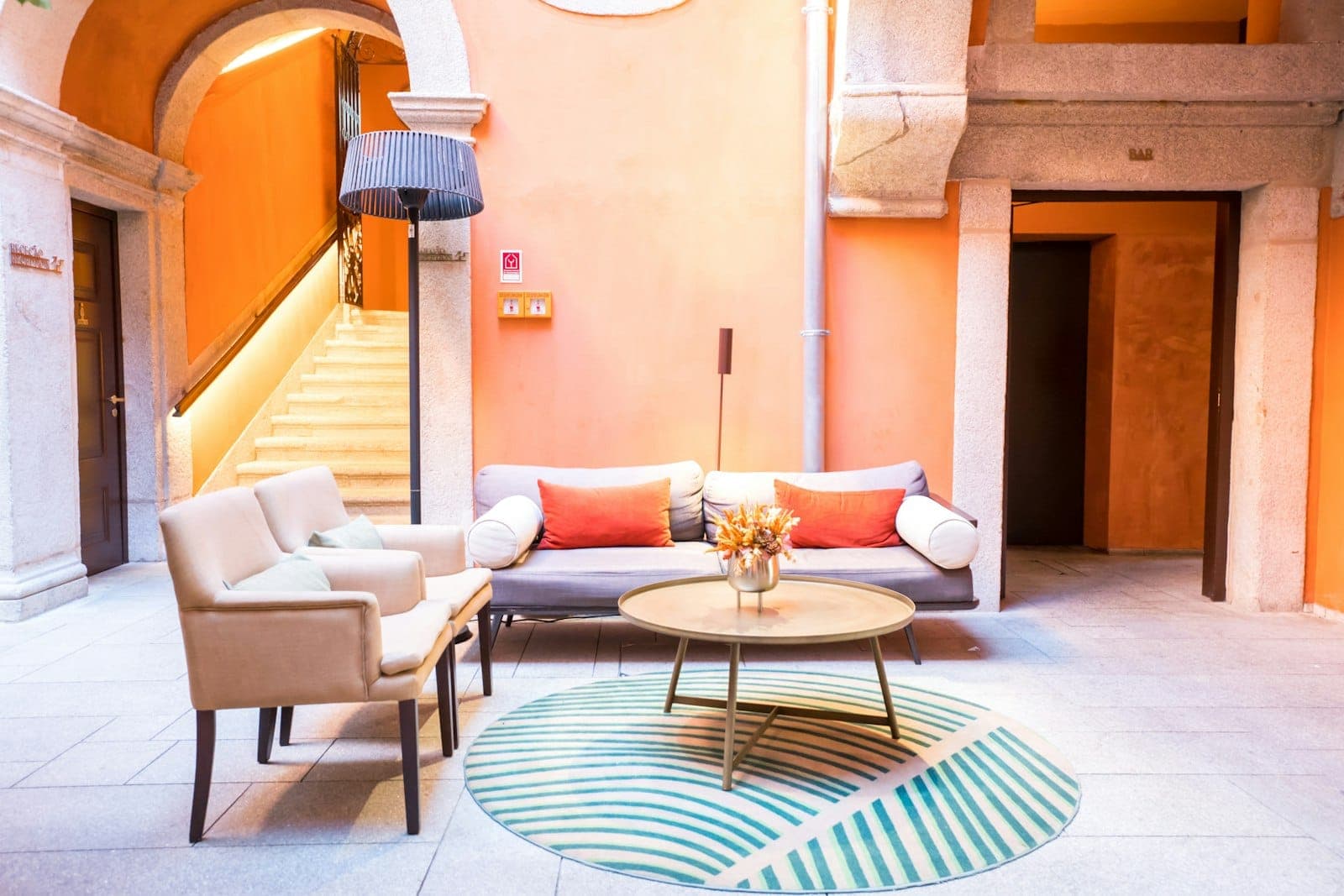
An empty room is the only inventory you can never store. A store sells tomorrow what didn't sell today, but you only sell the night Friday to Saturday once. At midnight that revenue is gone forever.
The problem
Say you have 6 rooms and run 90 percent occupancy in peak season. May to September keeps going. October to April you're around 45 percent, and even in season the weekday nights often sit half empty. Those empty nights don't feel like a loss because no money goes out the door. But nothing comes in either, and that's precisely the point.
Most owners think vacancies through two lenses: lower the price or advertise more. Both can help, but both cost you margin, and neither is usually the best first step. The real problem is almost never "not enough demand in the market". It's that the demand that does exist doesn't find you, or finds you but goes through Booking.com where you pay commission on it.
Before you do anything about your vacancy, you need to know where it sits. Three types of vacancy need three different solutions:
- Weekday vacancy: your weekend guests don't travel weekdays. You need a different guest type.
- Low season vacancy: demand in your region is structurally lower. You need a reason to come exactly now.
- Last-minute gaps: a cancellation or a few-day gap you want to fill quickly.
Pull up your phone or booking overview and check which of the three is biggest. Start there.
Calculation example
What an empty room costs you feels abstract until you work it out. Take a B&B with 6 rooms, average nightly price of 90 euros and eight empty nights per month you could have realistically filled. Variable costs per filled night (breakfast, cleaning, laundry) you estimate at 15 euros.
| Component | Value |
|---|---|
| Average nightly price | 90 euros |
| Variable cost per filled night | 15 euros |
| Missed margin per empty night | 75 euros |
| Fillable empty nights per month | 8 |
| Missed margin per month | 600 euros |
| Missed margin per year | 7,200 euros |
Add up the full revenue instead of just margin, and you're talking 720 euros per month and almost 8,600 euros yearly. That's not a sideline. That's a second vacation or a new bathroom.
The core: you don't need to fill all eight nights to make this worthwhile. Fill half of that, four nights, and there's 300 euros extra margin per month against a few hours of work. Calculate your own figures in the savings calculator and you see immediately what fuller occupancy means for your accommodation.
Stepwise plan: the 9 ways
Ordered from free to paid. Always start at the top. The cheapest solutions use the guests and channels you already have, and they deliver the highest margin because you don't pay commission or ad costs.
Group 1: use what you already have (free, highest margin)
1. Email your returning guests. Someone who's already slept at your place books faster again than a stranger via Booking. If you have an email list, send a short, personal message with a sharp rate for specific those nights. No list yet? This is the time to build one. Read how in setting up a hotel newsletter.
2. Set your direct price lower than your Booking price. You pay 15 to 25 percent commission on Booking. On your own site nothing. Use that gap to make your direct rate more attractive without losing margin. A guest who searches your name on Google and finds your site a couple euros cheaper on your own site has a real reason to book direct. How to do that without trouble with Booking is in OTA parity and why your own site can be cheaper.
3. Complete and strengthen your Google profile. If someone searches "B&B Friesland" or "hotel Veluwe" your Google profile (your page on Google Maps and in search results) decides whether they find you. A half-filled profile with 24 reviews loses to a competitor with 80. Fill in your hours, photos and description, and ask every departing guest actively for a review. The step-by-step plan is in gathering reviews on Google and the ranking factors in local SEO and ranking factors for a B&B.
What you can do today
Open your Google profile and count your reviews and photos. Are there fewer than 10 photos or are your hours outdated? Fix that in 20 minutes and it costs nothing. It's almost always the cheapest way to be found.
Group 2: reach a different guest type (low cost)
4. Fill weekday nights with a different target group. Your weekend guests are couples, but weekdays see cyclists, hikers, solo travelers and business guests. Target your weekday offer at them: a bike package, early breakfast for hikers, a quiet workspace for the business traveler. Fill not more of the same, fill a gap with a different guest type.
5. Give a reason to come exactly in low season. "Cheaper" is a weak reason. "Storm hiking with warm hot chocolate after," "Frisian winter weekend with local dinner" or "pay three nights, stay four" gives people something concrete. An arrangement sells better than a bare discount and keeps your average room rate higher.
6. Partner with local businesses. A restaurant, bike rental, museum or hiking guide has the same guests as you, but at different times. Refer to each other, make a joint package, put flyers out. It costs you nothing but a few conversations and reaches people already in or coming to your region.
Group 3: expand your reach (time or money)
7. Post targeted to social media around your empty periods. Not every day, but the moment your nights are at risk of staying empty. A nice photo of your room with "still two rooms free this weekend" works, if you've built an audience. How to do that without eating your evenings is in Instagram strategy for small hotels.
8. Use your OTA strategically for last-minute gaps. A two-day gap opening day-after-tomorrow fills faster via Booking than through your own channels, because the search volume is there. Accept that you'll pay commission for those specific nights. That's better than an empty room. But don't make it a habit: if you fill structurally via OTA, you pay structurally commission. The long-term goal stays becoming less dependent on Booking.com.
9. Advertise as the last step, not the first. Only when the top eight haven't filled your nights, consider paid ads via Google or social. This costs per click or per impression and works only if your site converts well and you have a booking button worth driving traffic to. For a gap of a few days advertising is too slow. For structural low season it can pay, but calculate first.
Common mistakes
- Immediately lowering price. A lower price doesn't automatically bring more guests, but does lower your margin on nights already full. Lower strategically for specific empty periods, not across the board.
- Trying all nine at once. Without knowing where your vacancy sits (weekdays, low season, last-minute) you waste time on solutions that don't match your gap. Diagnose first, then one or two targeted actions.
- Giving discount via Booking instead of your own site. Give 10 percent off on Booking, you still pay 15 to 25 percent commission on top. Give the same discount on your own site, you keep the rest of the margin yourself.
- Forgetting your own guests. The cheapest booking is the returning guest. Not having an email list is the biggest missed opportunity at small accommodations. A list of 200 old guests fills more empty nights than any ad.
- Advertising to a site that doesn't convert. Paid traffic to a site without a working booking button is money down the drain. Make sure people can book and pay immediately before you drive paid traffic to it.
What you can do now
Don't start with the most expensive solution. Start with diagnosis and the channels you already have.
- Look in your booking overview where your empty nights sit: weekdays, low season or last-minute.
- Open your Google profile and complete it. Count your reviews and ask this week every departing guest for one. The step-by-step is in gathering reviews on Google.
- Set your direct price just below your Booking price, so booking direct is the most attractive option. The approach is in OTA parity and why your own site can be cheaper.
- Start building an email list, so you can reach your own guests next time empty nights approach. Start with setting up a hotel newsletter.
Don't fill empty nights with permanent discounts
A temporary push for a specific empty period is fine. But anyone who permanently lowers their price to boost occupancy loses margin on nights already full. Fill strategically, not broadly.
Want us to figure out where your vacancy comes from for your accommodation and which of these nine ways delivers most? We check that at marketing for hotels.
Frequently asked questions
How do I quickly fill empty rooms for this weekend?
Is giving discounts the best way to fill empty rooms?
Why do my weekday rooms stay empty?
What does an empty room really cost me?
Should I lower my price if I have a lot of vacancies?
A concrete tip in your inbox each month
Practical marketing and automation tips for small-scale accommodations. No sales talk, unsubscribe anytime.
Your email address is only used for these emails and never shared. You can unsubscribe from any email. See the privacy policy.