Starting a small hotel or camping: the marketing basics in order
Starting a small hotel, camping or glamping costs thousands in furnishings, but the marketing basics themselves don't need to cost 1,000 euros in the first year. The mistake most starters make is not spending too little. It's starting too late with direct bookings.
The problem
Say you're opening a glamping with 5 lodges, or a small hotel with 8 rooms in three months. You have the property, the furnishings, the permits. And then comes the question that keeps you up at night: how do I get those first guests in?
The easy answer is Booking.com. You sign up, you're online within a week, and the first bookings come in. That works. Booking.com is a strong starting engine when nobody knows your name yet, and that brand awareness is exactly what you're missing at the start.
The problem lies in what happens after. Booking takes 15 to 25 percent commission per booking. At an average booking value of 150 euros you're paying 22 to 37 euros per reservation to the platform. If you let almost everything run through Booking for three years, you've built a business where Booking.com is your biggest customer. You get stuck with it then, because you've never built your own channel.
The starters who do it right use Booking as a starting engine and build their own direct channel from day 1. Not later, when it's "quieter". From day 1, because your first guests are also your first reviews, your first email addresses and your first word-of-mouth. You lay that foundation only once.
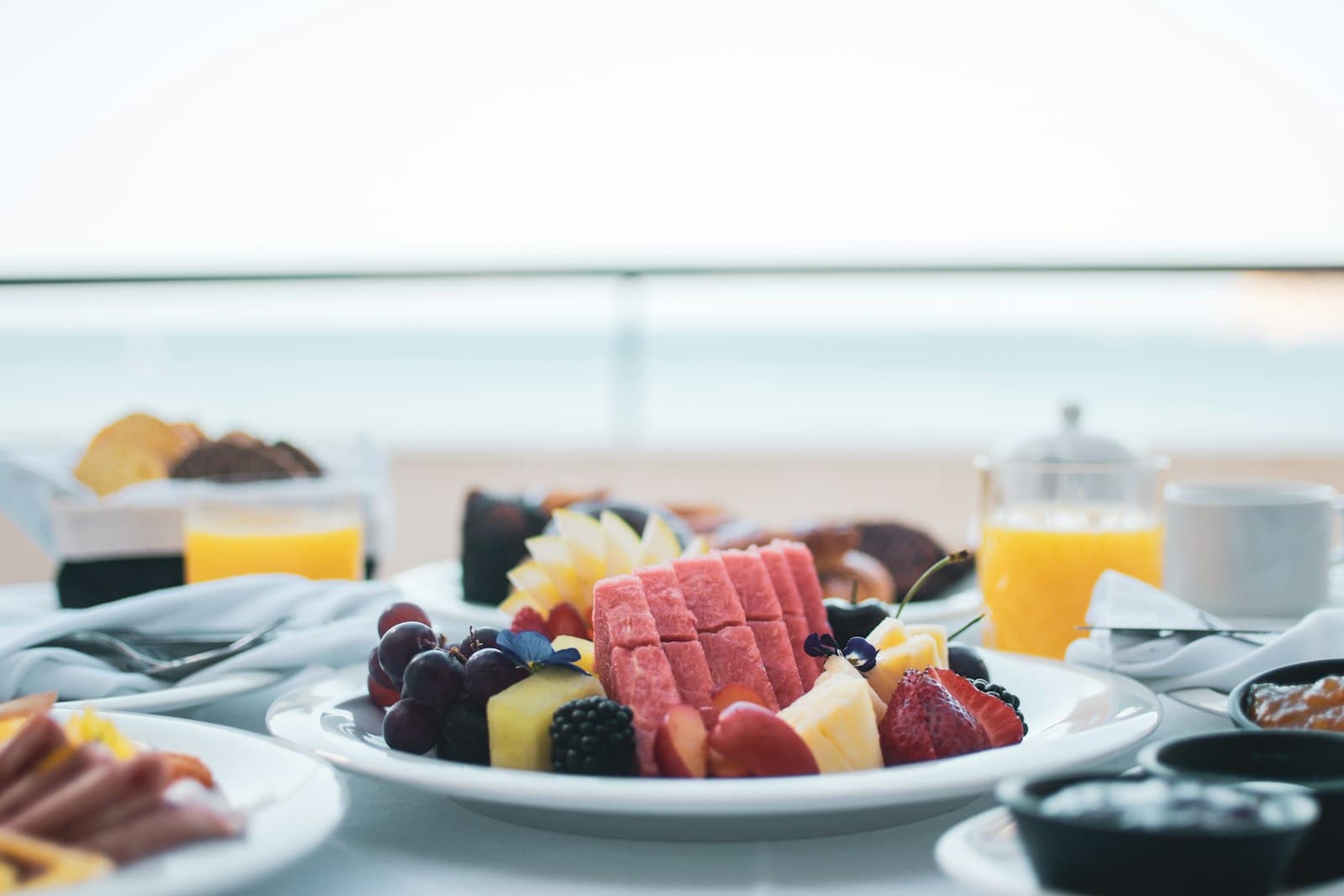
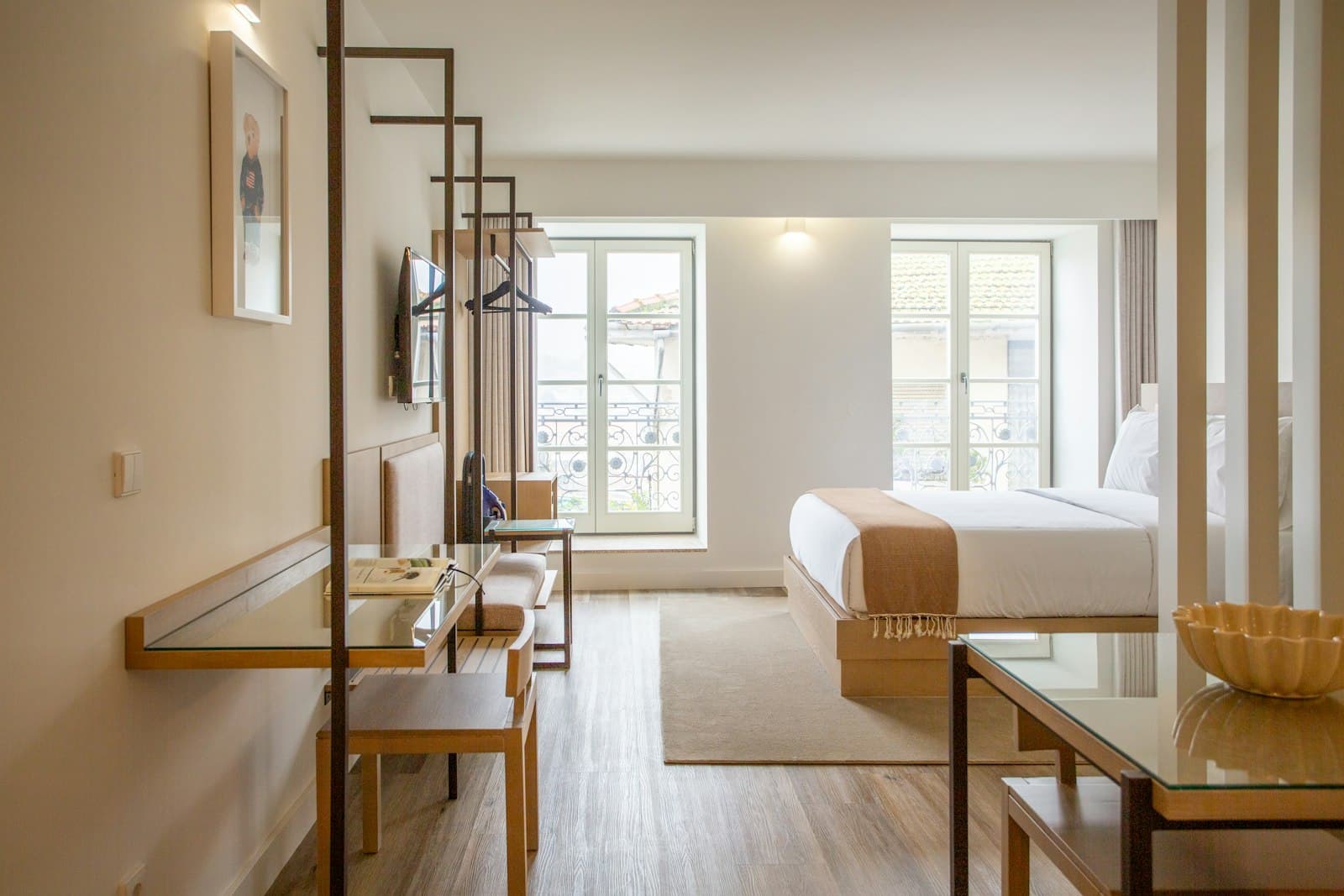
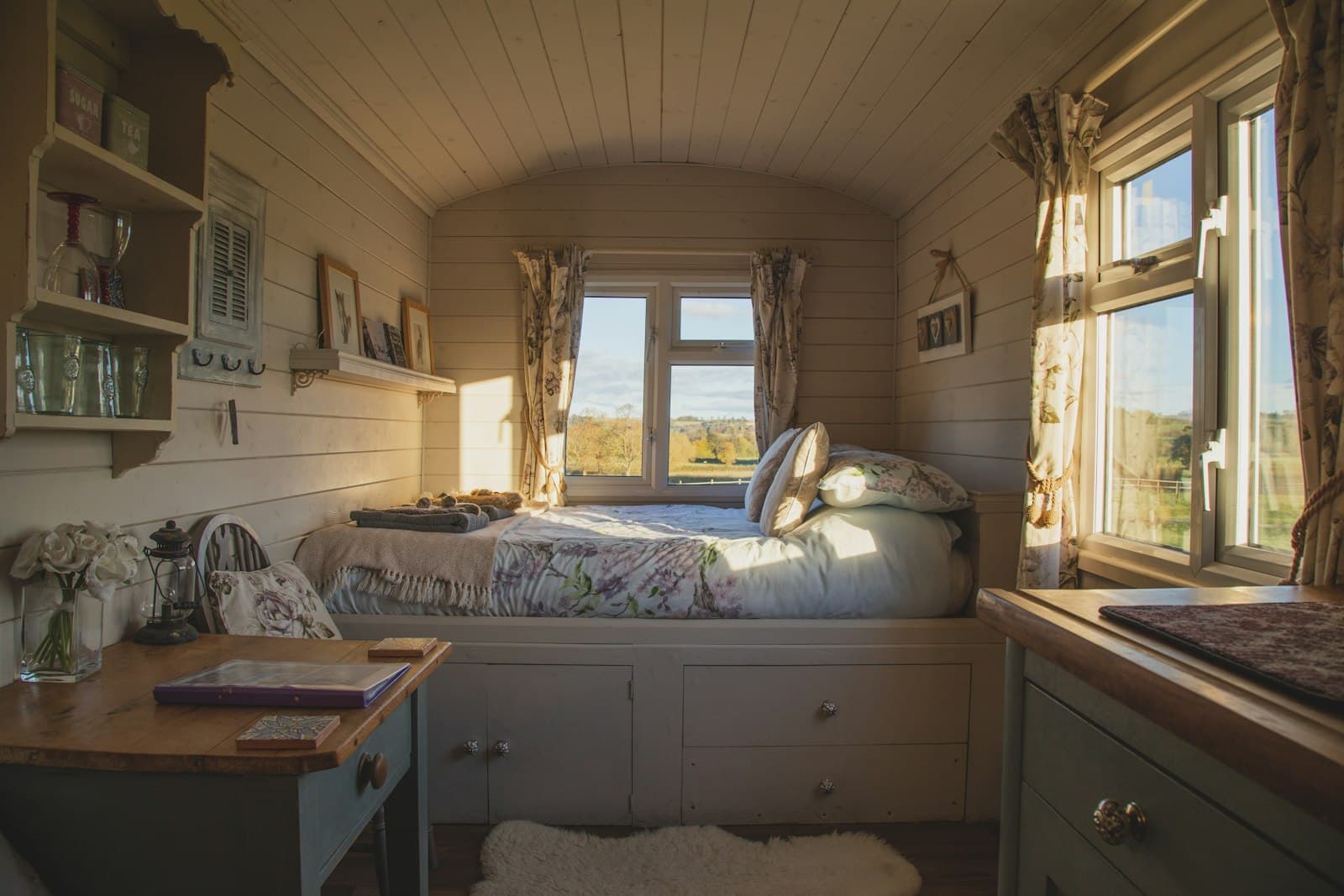
For a hotel, camping and glamping that foundation is the same. The accommodation type does change how guests find you. With a hotel people search more concretely on location and date: "hotel Leeuwarden Saturday". With glamping and camping the search starts earlier with experience and region: "glamping Drenthe with hot tub" or "nature camping Veluwe". That difference determines your photos and your text, not your marketing fundamentals. A glamping sells the lodge, the view and the quiet. A camping sells the location, the facilities and the atmosphere. A small hotel sells the room, the breakfast and the accessibility. The buttons, channels and technology underneath are identical.
A detailed step-by-step route for a lodging business you can find in starting a B&B: the complete guide. This article zooms in on the marketing and booking basis that works the same for a small hotel, camping and glamping.
Calculation example
The furnishings of your property or grounds cost the most money. The marketing basics themselves are surprisingly cheap, especially if you know what to watch for. Below the real startup costs for the marketing and booking foundation, separate from the furnishings.
| Component | One-time | Per month | Explanation |
|---|---|---|---|
| Own website with booking button | 0 to 500 euros | 10 to 25 euros hosting | Build it yourself or use an affordable builder; no need for 5,000 euros to start |
| Booking engine (reservation system, the system handling bookings and payments on your own site) | 0 euros setup | 20 to 100 euros | Depends on number of rooms or spots |
| Google business profile | 0 euros | 0 euros | Free, but takes time to set up properly |
| Domain name | 10 to 15 euros per year | n/a | One-time per year |
| Professional photos | 250 to 600 euros | n/a | The only budget you shouldn't cut |
| Total year 1 | around 300 to 1,100 euros | around 360 to 1,500 euros per year | Together well under 2,500 euros |
Set that against the other side. Say after six months you do 40 bookings per month, averaging 150 euros per booking. Via Booking with 18 percent commission that costs 27 euros per booking, so 1,080 euros per month in commission. Every booking you get directly instead delivers that 27 euros back.
The math works through your whole first year. Say over twelve months you get 300 bookings, 70 percent running through Booking. That's 210 OTA bookings, good for 5,670 euros in commission. If you manage to get half those bookings direct instead in year 1, you save over 2,800 euros. You can fund the complete marketing basics from the table above multiple times over with that. The bookings you get direct stay your guest too: you have the email, you ask for the review, you can contact them again later. You can't do that with a Booking guest.
Watch the direction of the numbers. Very early on, with an empty calendar, a Booking booking of 150 euros with 27 euros commission is still 123 euros you wouldn't have had otherwise. Booking is not a loss at that stage, it's an investment in occupancy and reviews. The turning point comes once your name awareness grows and people actively seek you out. From that point on you pay commission on bookings that could have come direct, and that's where the real savings kick in.
Calculate your own figure
Fill your expected number of bookings, your average night price and your OTA commission into the savings calculator. You'll see directly what a shift of 20 percent to direct bookings delivers annually. That amount is your marketing budget.
The conclusion from the numbers: a booking engine of 50 euros per month pays for itself once you're getting about 23 direct bookings per year instead of via an OTA. Nearly all accommodations hit that, even in year 1.
Stepwise plan
Here's how you set up the marketing basics, in the order that delivers the most per euro and hour spent.
-
Claim and set up your Google business profile. This is free and delivers the most. If someone searches "hotel [your location]" or "glamping [your region]" you want to appear on the map and in local results. Fill in everything: category, hours, photos, description, link to your own site. How you do that is in Setting up Google My Business for hotels and B&Bs.
-
Put up your own website with a real booking button. Not a link to Booking, but a button where the guest books and pays with you. Which pages you need minimum and how to build them is in hotel website essentials. Keep it simple: a strong homepage, a rooms or spots page, an about us, contact and the booking button on every page.
-
Connect a booking engine. This is the system that handles bookings, availability and payment on your own site. Without it, people can't book directly with you and you're sending them to the platform anyway. Which system fits your scale is in what is a booking engine and which fits your accommodation.
-
Invest in good photos. This is the one budget you shouldn't cut. On Booking, your own site and your Google profile, photos decide whether someone looks further. With glamping and camping they sell the experience, with a hotel they sell the mood and the room. Budget 250 to 600 euros for a photographer who comes on site.
-
Sign up for Booking.com as a starting engine. Now, not as the first step. Booking fills your empty calendar and builds your first reviews. Use it deliberately as a starting accelerant, not as the endpoint. Keep your direct price on your own site slightly more attractive than the platform price, because that's allowed and it's your strongest argument to make people book direct.
-
Actively gather reviews from the first guest. Reviews are your most important local ranking signal and your most important trust factor. Ask every departing guest actively for a review on Google. How you systematically handle that and what factors determine your local findability is in local SEO and the ranking factors for B&Bs.
-
Actively ask for your first direct bookings. Name awareness isn't built only through platforms. Practical ways to get those first guests without an OTA are in getting your first guests.
What you can do today
Don't have a property or grounds in use yet, but do have a name? Claim your domain name today and create a free Google business profile. Together that costs 15 minutes and 12 euros, and you're building visibility straight away while the rest is being prepared.
Common mistakes
-
Starting with Booking.com only, postponing your own site. "First operate, then the site" sounds logical, but you miss direct bookings from day 1 from people searching your name. Booking shows up at the top on your own name then, and you pay that booking's commission even though it was a direct guest.
-
Cutting costs on photos. Shooting quick pictures with your phone yourself costs you more than a photographer. Bad photos lower your conversion on every channel at once: your site, your Google profile and Booking. This is the budget where 400 euros delivers the most return.
-
Having an overly large, expensive website built. A startup doesn't need a 6,000-euro website. You need a fast, mobile-friendly site with a working booking button. Start small and build out once you know what works. What a hotel site really needs is in hotel website essentials.
-
No booking engine, only an email or phone number. People book in the evening and on weekends, and want certainty right away. A contact form or "call us" loses to a button where you can book and pay now. Every booking you have to manually confirm, you've already lost half of to a platform that handles it instantly.
-
Taking up reviews later. The first months are precisely the time to collect reviews, because each review counts heavier when you have few. An accommodation with 8 reviews and a 4.9 beats a neighbor with 60 reviews and a 4.2. Start with guest number 1, not guest number 100.
-
Asking the same price on your own site as on Booking. If booking with you doesn't save anything, the guest picks the platform with the most reviews and the familiar checkout flow. Your direct price can and must be more attractive, because you don't pay commission. A few euros savings, free cancellation or a small extra at arrival is enough reason to book direct.
-
Thinking your glamping or camping needs to be done "differently" than a hotel. The temptation is to reinvent the wheel for each accommodation type. You don't. Photos and text differ, the marketing basics don't. Whoever sees this as three separate projects wastes time and money on things that work the same for all three.
What you can do now
The marketing basics for a small hotel, camping and glamping are the same: be findable via Google, enable direct booking on your own site, and collect reviews from the first guest. The furnishings cost the money, the marketing basics cost mostly the right order.
Start with the free foundation: your Google business profile via Setting up Google My Business for hotels and B&Bs and your own site with a booking button via hotel website essentials. Then calculate with the savings calculator what direct bookings deliver you per year, so you know how much you can sensibly invest in marketing.
Don't want to figure out the order yourself for your accommodation type? We discuss that at marketing for hotels. And the very first bookings without a platform you get with the approach in getting your first guests.
Frequently asked questions
What does it cost to set up marketing for a small hotel or camping?
Do I need to be on Booking.com right away?
Do I need my own website if I'm on Booking.com?
What's the difference between a hotel, camping and glamping in terms of marketing?
When do I earn back a booking engine?
A concrete tip in your inbox each month
Practical marketing and automation tips for small-scale accommodations. No sales talk, unsubscribe anytime.
Your email address is only used for these emails and never shared. You can unsubscribe from any email. See the privacy policy.