AI images for your hotel website: do it or not?
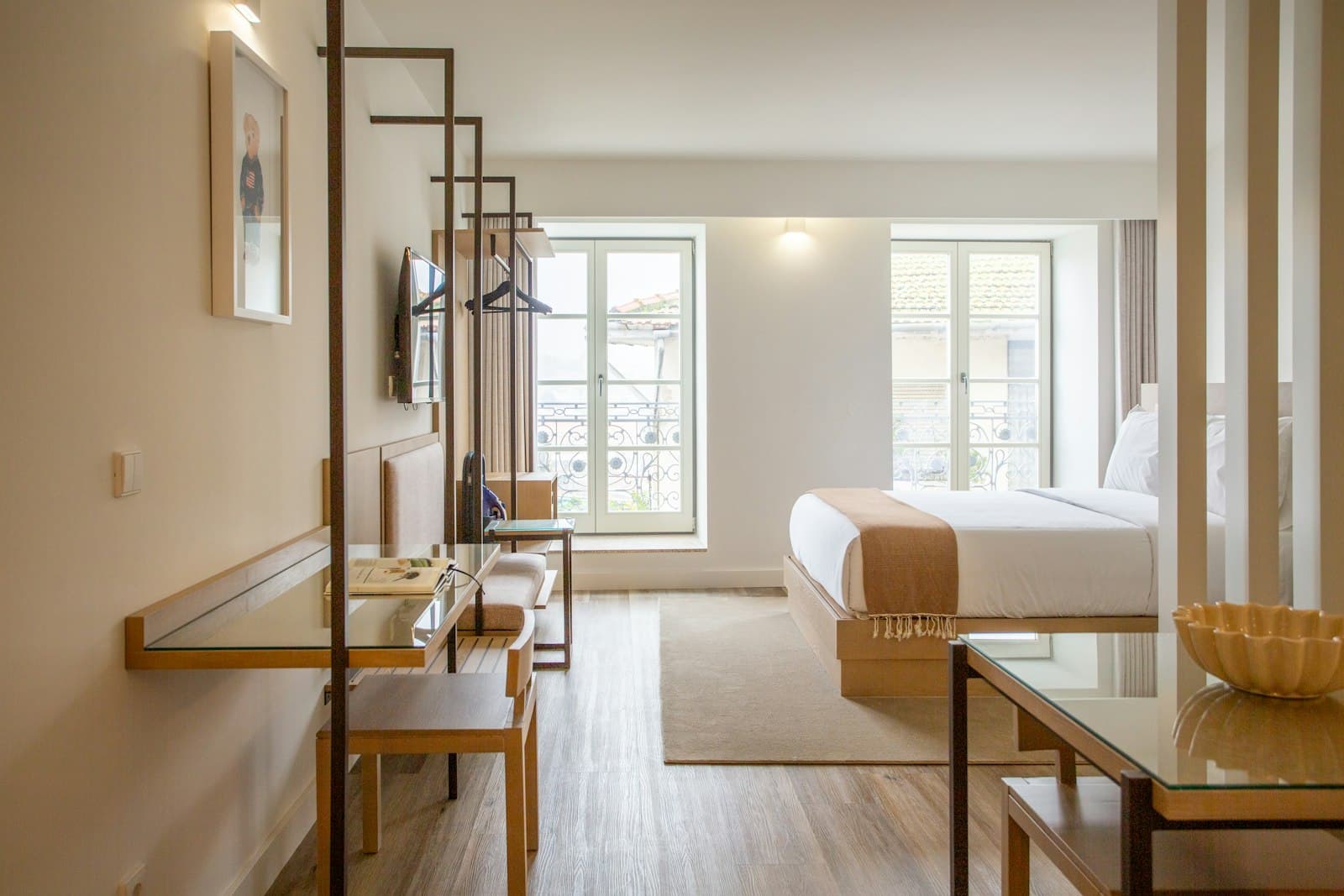
An AI tool generates in thirty seconds a spotless hotel room: perfectly made bed, warm light, spacious view. The problem is that room does not exist. And a guest who books based on that image and finds something different at arrival writes the review that haunts you for the next two years.
The core problem with AI images in hospitality
AI image generators like Midjourney, DALL-E, and Stable Diffusion are impressive. They make in seconds atmosphere-filled interiors that look professional. And that is precisely the trap.
For a hotel website, a photo is not an illustration, it is a promise. A guest who books a room based on an image, expects to find that room. That is not excessive, that is how it works. If you let AI generate a room with a panoramic window and a freestanding bath while your actual room has a skylight and a shower, then you have committed misleading advertising, and in the EU that falls under the Directive on Unfair Commercial Practices.
On top of that: Booking.com and Airbnb enforce guidelines that require photos to show the actual accommodation. If detected with deviating images, you risk image removal or account suspension. No platform paying you commission makes up for that loss.
And then the reviews. A disappointed guest who finds a different reality than promised does not write two stars, he writes a detailed story. That story is there three years later.
Where AI images absolutely must not go
The limit is simple: never use AI for images that carry a product claim. Specifically, that means:
- Room images. Whether it is a suite or a capsule: no AI. The room you show is the room the guest expects.
- Facilities you offer. A pool you do not have, a spa that looks different, a meeting room with extra capacity: all misleading.
- Food and drink you serve. An AI breakfast photo with three courses while you serve a simple croissant is a guarantee for disappointment.
- The garden, terrace, surroundings right by the accommodation. If the guest stands there and it looks different, it is wrong.
- Photos of people meant to represent staff or guests. This adds misleading authenticity to a promise you cannot keep.
This is not a matter of opinion. It is misleading, period.
Where AI image can play a role
There is a category where AI images are defensible: illustrations without direct product claim.
| Application | AI image allowed | Why |
|---|---|---|
| Room images | No | Direct product claim, misleading if different |
| Facilities (pool, spa, restaurant) | No | Concrete offer the guest expects to find |
| Breakfast / food you serve | No | Disappointment nearly guaranteed if it differs |
| Garden, terrace, exterior of your property | No | Guest recognizes it immediately at arrival |
| Atmosphere images in blog articles | Yes, if transparent | No product claim, illustrative |
| Background for a seasonal banner | Yes, if generic | No specific offer promised |
| Concept visualization for renovation plans | Yes, if labeled as concept | Guest knows it is a future vision |
| Mockups for social media not showing your property | Yes | No direct connection to booked room |
| Stock photo replacement on an "about us" page | No | Guests expect real staff and real property |
The red thread: as soon as an image creates an expectation you have to meet at arrival, AI generation is forbidden territory.
Transparency: the only safe route
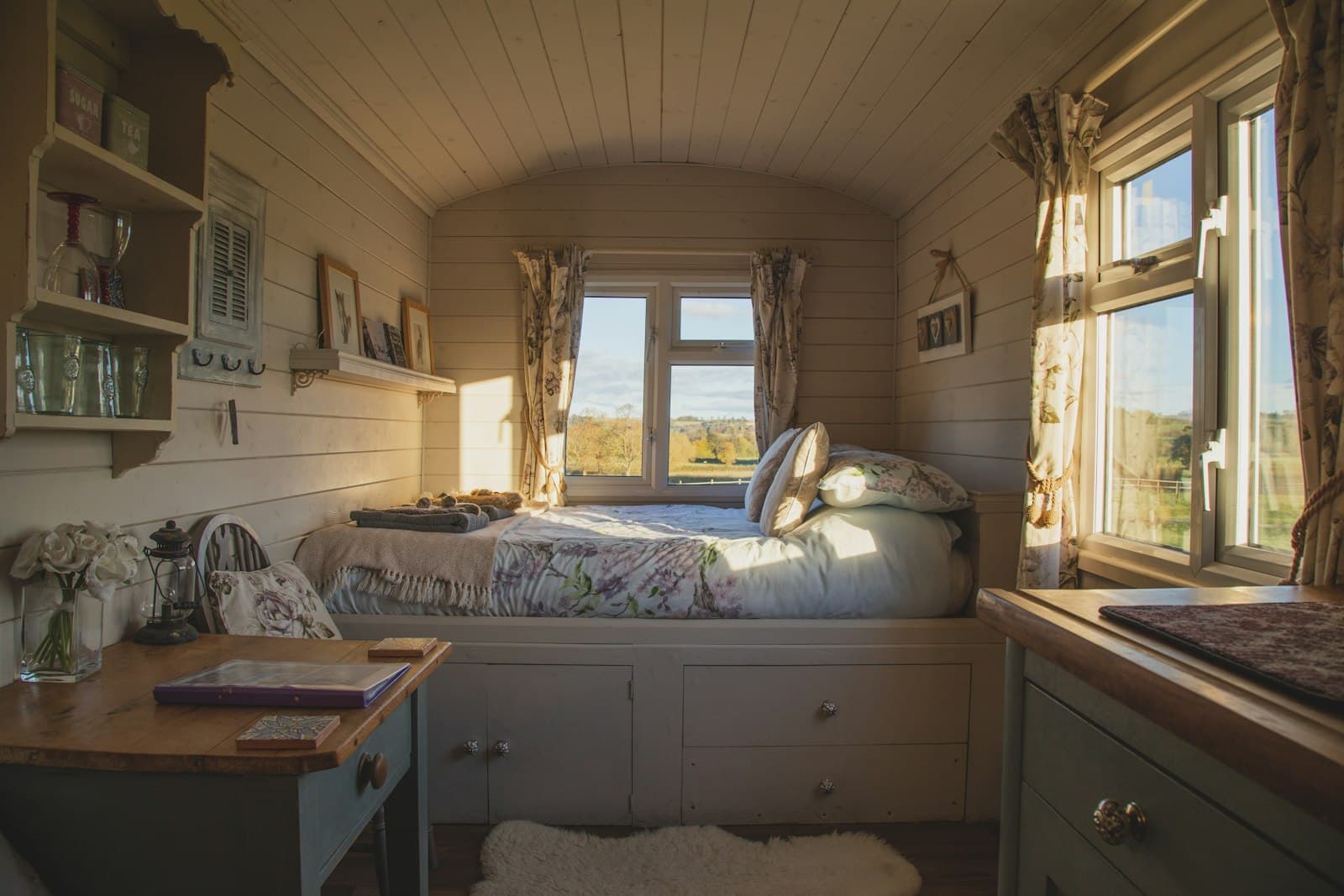
If you use AI image for blog articles or concept visualizations, apply one simple rule: name it. A small note under an image like "Illustration generated with AI" costs nothing and makes it trust-wise and legally sound.
Labeling costs nothing and solves a lot
Use AI image for a blog illustration or concept image, put "Illustration: AI-generated" under it. That is all you need to be transparent. No disclaimer page, no disclaimer in the footer. Just a line by the image.
This also applies if you use AI in other forms of content creation. ChatGPT for hotel marketing explains where AI can speed up your work without sacrificing quality or trust. The principle is the same: AI as a work tool yes, AI as a replacement for real proof no. A broader overview of where automation adds value is in the automation tools hub.
Common mistakes
Thinking guests won't recognize it. AI images are getting better, but so is recognition. Perfect symmetry, strange lighting, odd details on fabrics or hands: whoever looks, sees it. And guests look, because they want to know what they book.
Treating an AI photo as temporary use. "I'll use it until I have real photos." That temporary photo still sits on your site six months later. And in those six months, you have attracted guests with wrong expectations.
Using AI room images for social media. Social media feels informal, but your platforms stick to your accommodation. An Instagram post with a room guests later do not find damages exactly the same trust as a misleading website photo.
Skipping free stock photos. Unsplash, Pexels, and Pixabay offer thousands of atmospheric hotel interior photos from real locations, free to use. For a blog illustration, you do not need AI if good stock images are available.
A bad review wipes out ten good ones
Cornell University research shows a 1-point drop on a 5-point scale reduces booking willingness by 11 percent. A guest who feels misled does not write an average review. He writes the minimum. AI room images are not clever cost-cutting, they are a time bomb under your reputation.
Where you do take time back from AI
The frustrating part of this story is that AI can save a lot of time, just not on your room photos. Spend your energy where there is no product claim and no trust risk. Specifically: text work for your blog and newsletter, first drafts of email replies, translating your descriptions to English or German, and summarizing guest reviews into themes.
Calculate the impact. Say you spend 3 hours a week on repetitive emails and loose social posts. At 30 euros an hour, that is 360 euros a month in time. Cut that in half with good AI support and you keep 180 euros a month for work that really needs attention, like your own photo shoot or rate review. In marketing automation for a small accommodation, step by step, which tasks you safely outsource and which you keep.
What you can do now
First step: review your current images. Are there images on your site that make the reality prettier than it is? Replace those, not because an algorithm says so, but because a guest who arrives and checks out deserves honest information.
Have no good photos of your rooms? The solution is not AI, it is a morning with your phone. How to take good hotel photos with a phone walks you step by step through how you turn daylight, tidiness, and angle into images that convert.
Want to know what a hotel website minimally needs to convert guests to direct bookings? Read that if you are unsure whether your foundation is sound. And if you want to use AI tools in a way that works, read which tools we use daily: text, planning, customer service. Not photos of rooms that do not exist.
Want to know what better images and higher direct conversion brings you per year? Calculate it through via the savings calculator. Or have your website including photo strategy professionally set up.
For what you sell, use real photos. That is not a rule Hotelmark made up. That is what guests expect when they book.
Frequently asked questions
Can I use AI images on my hotel website?
What are the legal risks of AI hotel images?
How do guests recognize AI-generated hotel images?
Can I use AI for my blog images?
What is a good alternative if I cannot afford a photographer?
Can platforms like Booking.com ban AI images?
Where can I use AI to save time?
A concrete tip in your inbox each month
Practical marketing and automation tips for small-scale accommodations. No sales talk, unsubscribe anytime.
Your email address is only used for these emails and never shared. You can unsubscribe from any email. See the privacy policy.