ChatGPT as travel planner: what it means for your visibility
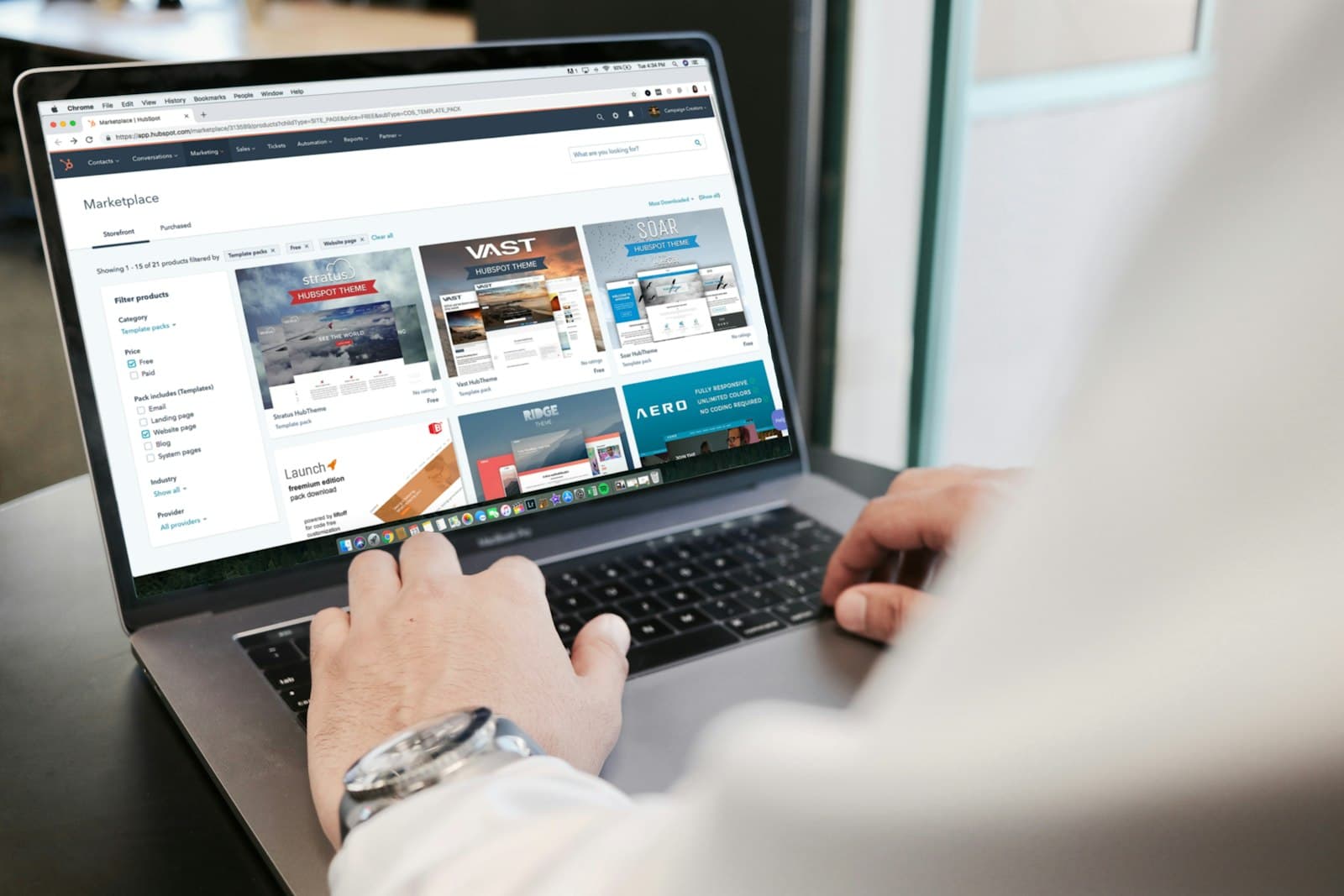
More and more travelers no longer type a search query into Google. They ask ChatGPT, Perplexity, or they get an AI summary at the top of their Google search results. And if your accommodation isn't in there, it simply doesn't exist for that traveler.
What changes in travel research
A few years ago, a traveler looking for a B&B in the Achterhoek saw a list of blue links, clicked through a few and compared. Now that same traveler types: "which B&B in the Achterhoek is pet-friendly, has a good breakfast and is quiet?" and gets a summary with recommendations.
That's no longer a fringe case. Google AI Overviews, the AI summaries Google places at the top of search results, are rolling out broadly in 2025 and 2026 in the Netherlands for travel searches. ChatGPT has a browser function and gives accommodation tips based on web content. Perplexity does the same, with direct source attribution. How to make your accommodation specifically findable for ChatGPT is described in found in ChatGPT.
The difference from traditional search is fundamental. In traditional search, the traveler decides which link to click. In AI-driven searches, the AI makes the selection. So the question is no longer just "am I ranking high enough in Google", but: "can the AI understand my accommodation correctly and recommend it?"
Why this directly affects small accommodations
Large hotel chains have SEO teams, PR budgets and high domain authority. They're automatically in the training data and sources that AI systems consult. Small hotels, B&Bs and glampsites don't have that advantage.
What small accommodations can have: specific, factual information about a concrete place. That's exactly what AI assistants look for when someone asks a targeted question.
A traveler asking "is there a glamping in Drenthe with a hot tub and space for a group of ten" isn't looking for a big chain. That question fits perfectly with specific, local providers who've described themselves well. The accommodations that get that recommendation later are the ones with their data in order now.
This is the opportunity, and the window is open now. Those who get their foundation in order before it becomes mainstream have a head start.
How AI assistants pull accommodation information
AI systems like Google AI Overviews, ChatGPT and Perplexity pull information about local businesses from three layers.
| Layer | What it is | How it affects you |
|---|---|---|
| Structured data | Schema markup on your website | Determines if AI recognizes you as an accommodation |
| Google Business Profile | Your listing in Google Maps | Address, hours, category, reviews |
| Free text and FAQs | Your website pages and blog articles | Answers specific guest questions |
The combination of these three determines if you end up in the AI answer. An accommodation that scores well on all three has much more chance than one that misses one of them.
That sounds like a lot of work, but it's mostly the foundation already needed for good regular SEO. AEO, or Answer Engine Optimization (arranging your content so AI can pull answers directly from it), builds on the same foundations. The full approach to AEO and GEO is explained in AEO and GEO for accommodations.
What you can tackle now
1. Schema markup: let AI know what you are
Schema markup is structured data you add to your website. It tells search engines and AI systems explicitly: this is a B&B, here's the address, these are the amenities, this is the rating.
Without schema markup, an AI has to guess your website based on text. With schema markup it's unambiguous. The difference is like comparing a business card to someone having to guess your name.
The relevant types for accommodations are BedAndBreakfast, Hotel and LodgingBusiness. Also add FAQPage markup if you have an FAQ section. How to technically set this up is explained in detail in schema markup for hotels.
Concretely: add a JSON-LD block to your homepage with name, address, phone, price range, photo URL and rating data. Then test it with Google's free Rich Results Test. That costs you an hour and delivers years of returns.
2. Name-address-phone consistency
Name-address-phone (NAP) is name, address and phone number. AI systems that pull information about you from multiple sources compare those sources with each other. If your address is spelled slightly differently on your website than in your Google Business profile, then in directories, then in old listings, systems get confused.
Make sure your name, address and phone number are exactly the same on every platform. Not "Hotel de Wilde Eik", "Hotel De Wilde Eik" and "De Wilde Eik" mixed together. Choose one spelling and use it everywhere.
How to set up your Google Business profile correctly is described in Google My Business for hotels and B&Bs. That profile is the most influential single source for local AI answers.
3. FAQ texts that answer real questions
AI assistants are answer machines. They look for pages that directly answer the traveler's question. A page with an FAQ section that answers real guest questions is much more useful to AI systems than a page with generic atmosphere marketing.
Think of questions guests ask or come into your inbox: "Is there free parking?", "Are pets welcome?", "What time is check-in?", "Is breakfast included?". Answer those questions directly and factually on your website, preferably in an FAQ section with FAQPage schema markup on it.
A side effect: clear FAQ text also helps with reviews. Guests who have answers to their questions before their stay are happier upon arrival. That translates into better ratings, and ratings themselves are a factor in AI recommendations. How to actively collect more reviews is described in collecting reviews on Google.
Writing FAQs for AI: be factual, not salesy
An AI assistant doesn't extract atmosphere from your text. It reads facts. "Free parking for all guests on private grounds" is useful. "A lovely quiet place to find yourself" is not. Write your FAQ answers so you could read them aloud as an answer to the question, without an introduction.
What you shouldn't expect
AI visibility isn't a switch you flip. It's a cumulative effect of schema, name-address-phone consistency, reviews and clear text that together determine if an AI considers you a reliable source.
Adding schema without reviews has less effect. Having reviews without name-address-phone consistency has less effect. It works as a whole, not as separate parts.
And one misconception to correct: this doesn't replace your Google ranking. People who search traditionally still exist. AI Overviews and ChatGPT sit above or beside organic results. You want to be visible on both, not choose.
Waiting is a choice for invisibility
AI travel searches are no longer the future. They're running now. Competitors in your region who have their schema markup and Google Business profile in order are already in answers where you're missing. The gap widens as AI searching grows.
Test yourself whether AI reads you correctly
Before you optimize, it's smart to measure where you stand now. Open ChatGPT with the browser function on and ask the question your ideal guest would ask: "which B&B in [your town] is pet-friendly and has free parking?". See if your accommodation is mentioned and if the facts are correct.
Then do 3 checks. First your schema markup via Google's free Rich Results Test: does it recognize you as an accommodation? Next your name, address and phone number across your website, your Google Business profile and 2 directories: is everything exactly the same? Finally a targeted guest question in Google: does an AI Overview appear, and is your information in it or a competitor's?
Note per check what's missing. That list is your action plan. A broader overview of all visibility factors and how they connect is found in the visibility hub.
Getting the foundation in order
The three action points above aren't separate from the broader SEO foundation. The ranking factors that determine how you score in Google's local map block are largely the same factors that determine AI visibility. Those are described in local SEO for B&Bs: the ranking factors.
Start small and concrete: schema markup on your homepage this week. Check your Google Business profile for completeness and consistency. Add or expand an FAQ section with three to five real guest questions.
Want to know what better visibility brings you in direct bookings, calculate it with the savings calculator. Prefer someone to set this up for you as part of a broader approach? We do that via marketing for hotels.
Frequently asked questions
How does ChatGPT decide which accommodation to recommend?
Do I need to do something special for Google AI Overviews?
What is AEO and how does it differ from SEO?
My accommodation is small. Is this relevant for me too?
How quickly do we see results if we tackle this?
How do I check if ChatGPT mentions my accommodation yet?
A concrete tip in your inbox each month
Practical marketing and automation tips for small-scale accommodations. No sales talk, unsubscribe anytime.
Your email address is only used for these emails and never shared. You can unsubscribe from any email. See the privacy policy.